
Siquijor vs Siargao: which Philippine island is right for you?
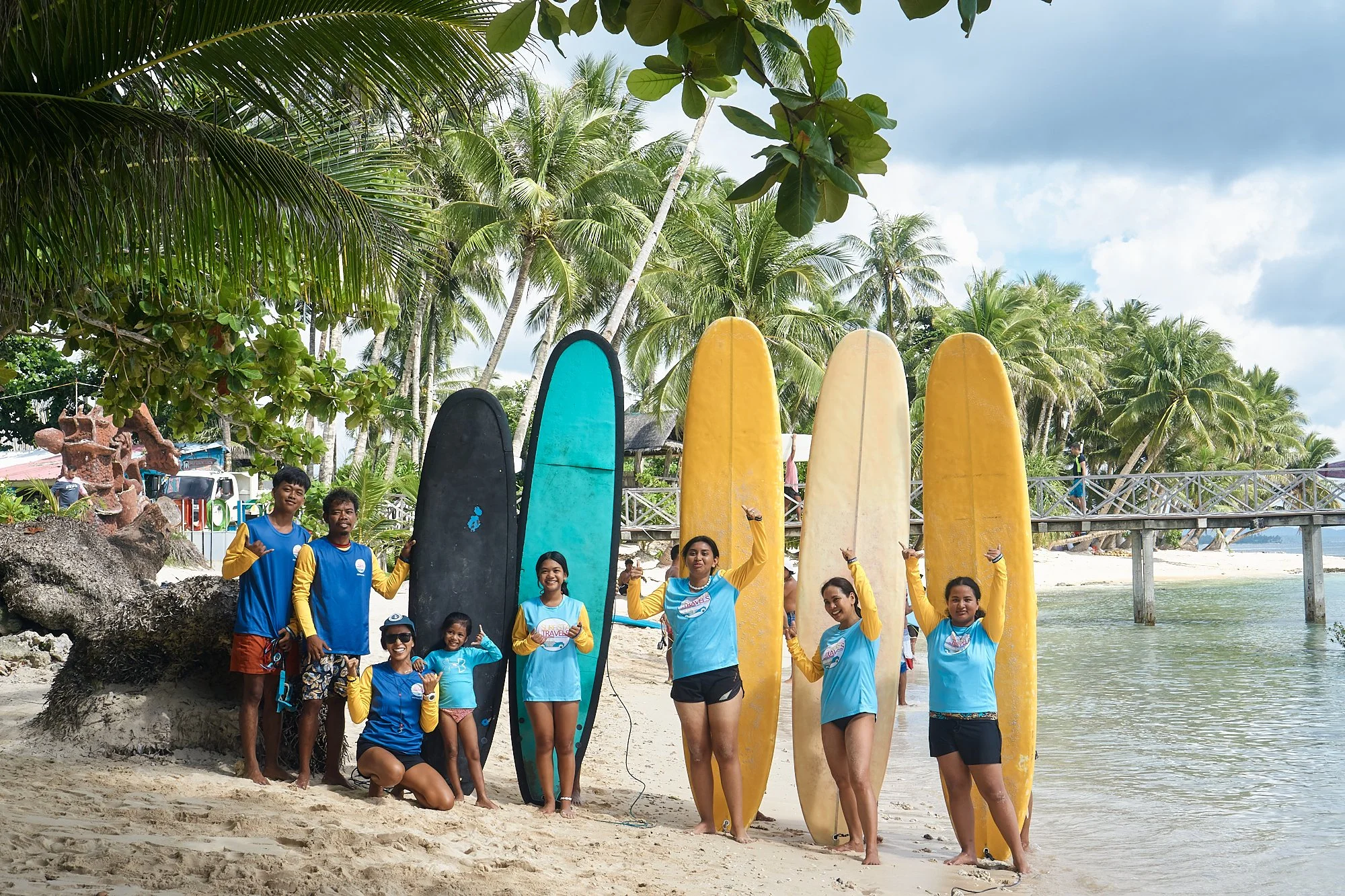
The Philippines is blessed with 7,641 islands, each carrying its own rhythm, personality, and story. Among the most talked-about destinations are two islands that have captured the imagination of Filipino and international travelers alike: Siquijor and Siargao. Whether you are chasing waves, seeking spiritual solitude, or marveling at geological wonders, these islands offer experiences that are genuinely hard to match anywhere else in Southeast Asia.
But with so many tourist destinations and limited vacation days, which island should you choose? In this guide, we break down what makes each destination special, who it is best suited for, and how to make the most of your time there so you can spend less time planning and more time living your best island life.
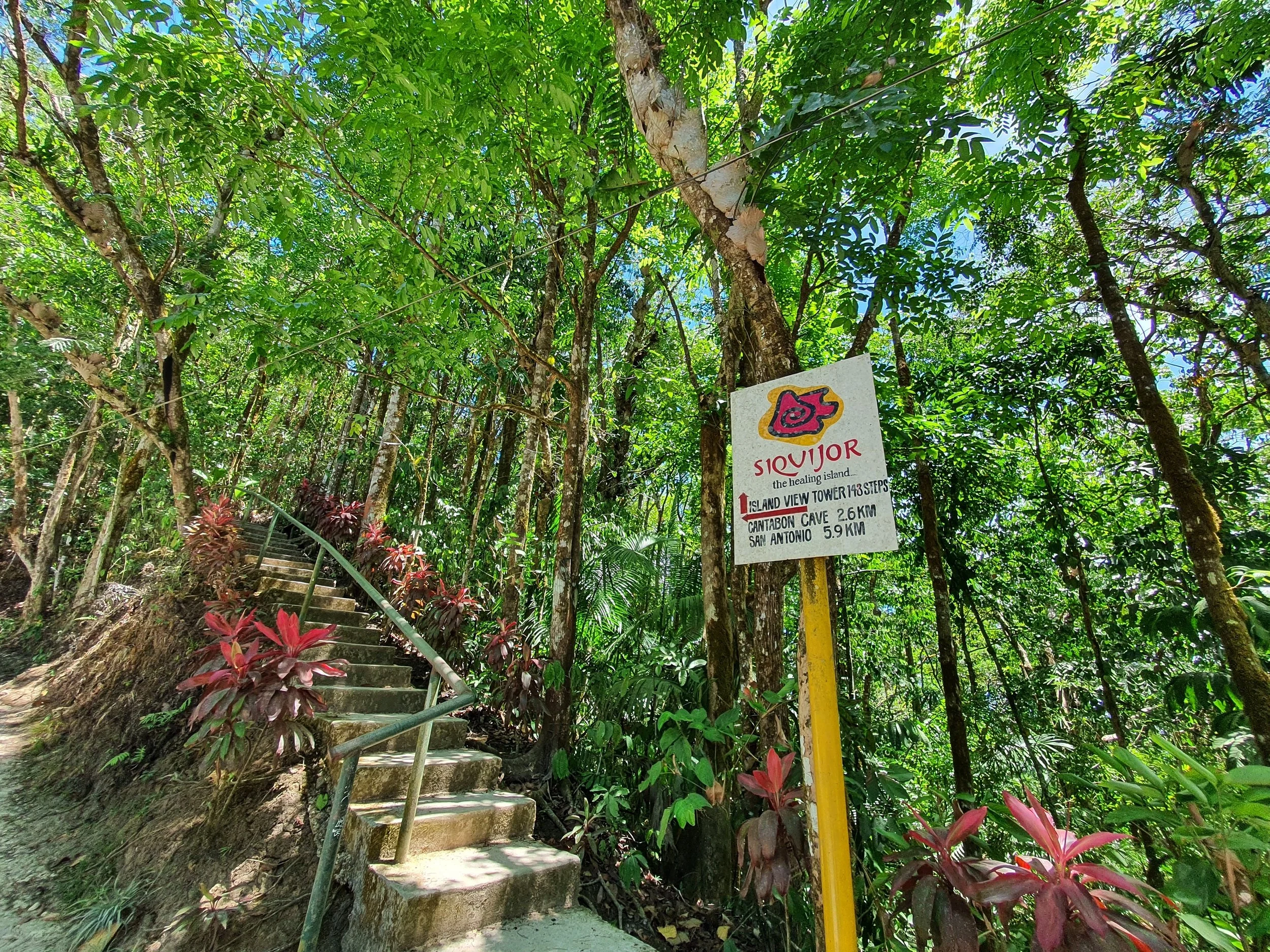
Siquijor: The Enchanted Island of Healing and Tranquility
Long shrouded in mystique and folklore, Siquijor — often called the "Island of Fire" — has grown into one of the Philippines' most beloved wellness and nature destinations. Its calm, unhurried energy makes it the perfect antidote to modern life. Despite being one of the smallest provinces in the country, Siquijor punches well above its weight in terms of natural beauty, cultural richness, and the sheer variety of experiences available to the curious traveler. Below are the activities that define a visit here, along with exactly where you need to go to have them.
Cliff Diving and Swimming — Salagdoong Beach, Maria
Salagdoong Beach in the municipality of Maria is widely considered one of the most photogenic beaches in the entire Visayas region, and its reputation for cliff diving draws thrill-seekers from across the country and beyond. The beach is set within a sheltered forested cove, and the water, a vivid, almost unreal shade of turquoise, is so clear that the sandy bottom is visible even from the cliff's edge above. Two platforms of different heights jut out over the water: one for those testing the waters and one for the truly fearless, and both deliver an unforgettable rush upon impact. Beyond the cliffs, the beach is equally rewarding for snorkeling, with healthy coral formations and schools of reef fish visible just meters from shore, making Salagdoong a rare destination that serves the adventurous and the leisurely in equal measure.
Snorkeling and Marine Exploration/Diving — Paliton Beach and Tubod Marine Sanctuary, San Juan
Siquijor may not be the first island that comes to mind for marine activities, but its waters are among the most pristine and least-crowded in the Visayas, a quality that serious snorkelers and divers consistently appreciate. Paliton Beach, located in the municipality of San Juan, offers calm, shallow waters and exceptional visibility that make it ideal for snorkeling even for beginners, and the beach itself, a crescent of white sand shaded by trees is frequently cited as one of the most underrated in the Philippines. The Tubod Marine Sanctuary, also in San Juan, is a protected reef accessible by a boat ride from the shoreline, and shelters a rich diversity of hard and soft corals, sea turtles, reef fish, and occasional seahorses. Because Siquijor receives far fewer mass-tourism visitors than more mainstream destinations, its marine ecosystems remain comparatively healthy and undisturbed, offering an experience that feels genuine rather than packaged.
Heritage Walking and Cultural Immersion — Lazi Church, Convent, and Town Proper
Not all of Siquijor's most rewarding experiences involve the water. The San Isidro Labrador Parish Church in Lazi, built in 1884, is one of the oldest stone churches in the Philippines and stands as a remarkable testament to centuries of Spanish craftsmanship and religious devotion. Across to it is the Lazi Convent, which served as the one of the largest convents in Asia and has since been converted into a heritage museum housing antique vestments, religious relics, and archival materials that offer a window into early Philippine ecclesiastical history. Walking through the surrounding Lazi town center, known locally as Poblacion, offers a view of Siquijor that the beach resorts cannot provide: ancestral homes with carved hardwood facades, local markets fragrant with fresh produce and street food, and the kind of slow, communal pace of life that genuinely transports visitors out of the modern world.
Rope Swing, Bamboo Raft Ride and Waterfall Bathing — Cambugahay Falls, Lazi
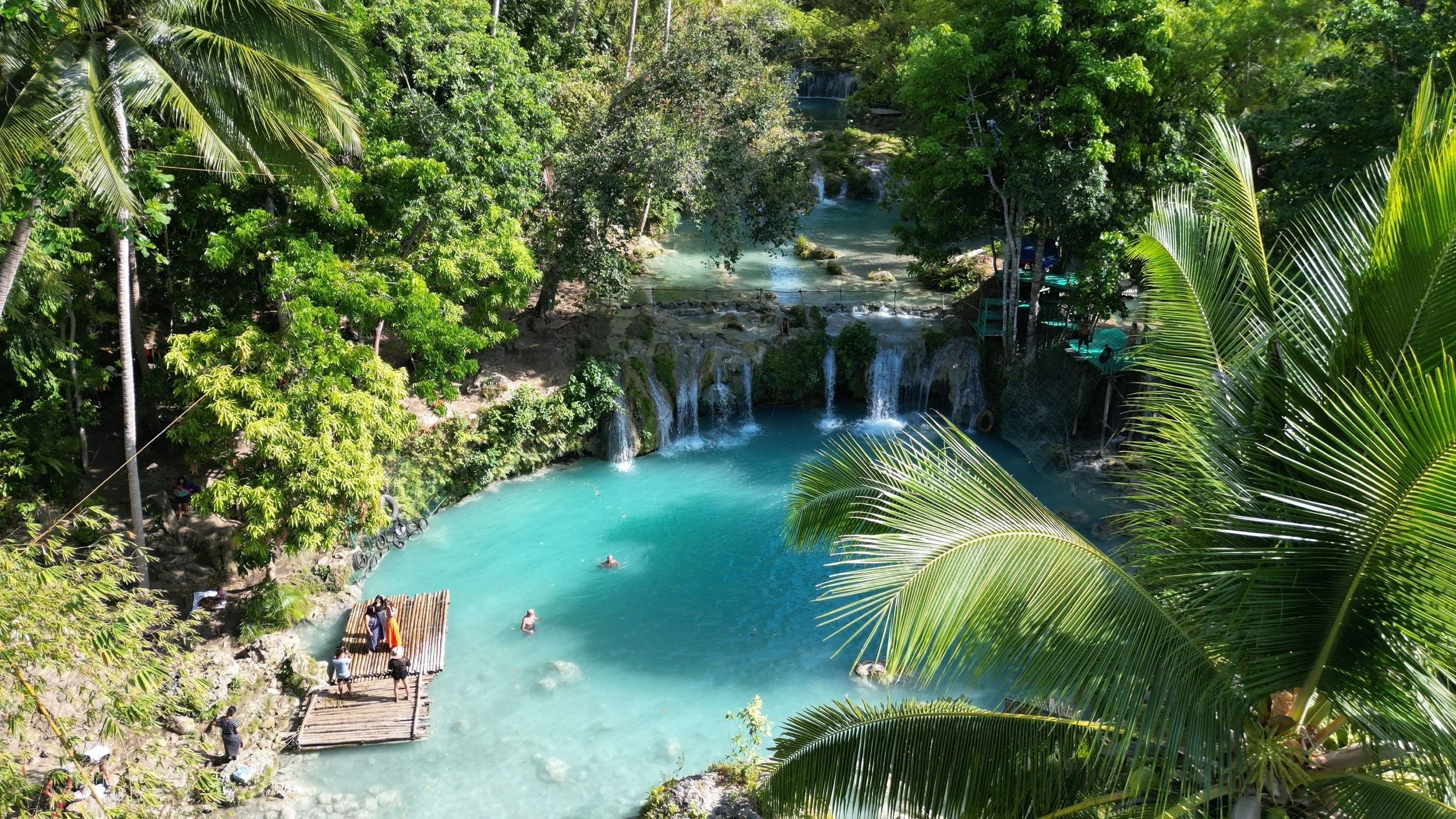
Cambugahay Falls is one of Siquijor's most cherished natural attractions and one of the most joyful places on the island — a series of cascading tiers that tumble over smooth limestone rock into cool, aquamarine pools set deep within a lush jungle interior. The falls are located in the municipality of Lazi, and the short trek through the surrounding forest to reach them is itself a pleasant immersion in the island's quiet, green interior. What elevates Cambugahay beyond a standard waterfall stop is the tradition of rope swinging: local guides tie knotted ropes to the trees above the pools, and visitors of all ages take turns launching themselves out over the water and dropping in with a satisfying splash. Visitors can also enjoy bamboo raft rides across the turquoise pools, offering a slower and more scenic way to appreciate the falls and surrounding greenery, while the calm freshwater basins make waterfall bathing one of the most relaxing experiences on the island. The natural setting is intimate enough to feel like a private discovery even on busier days, and the cool, freshwater pools are an incredibly refreshing contrast to the island's warm coastal air
Forest Trekking and the Ancient Balete Tree — Century-Old Balete Tree, Lazi
One of the most unusual stops in Siquijor is the ancient balete tree in Lazi. A towering, centuries-old specimen that holds deep cultural significance in Filipino mythology, where balete trees are traditionally believed to be inhabited by mystical creatures such as fairies, dwarves, etc. This particular tree is enormous even by the standards of its species, with massive exposed roots, a gnarled canopy that filters light into the forest below, and an atmosphere that is quietly awe-inspiring regardless of whether one believes in the legends attached to it. At its base, a natural spring feeds a small freshwater pool in which tiny fish carry out an unexpected and delightful function: a natural fish spa, where visitors can dip their feet in and feel the gentle nibbling that locals swear by as a skin treatment. The surrounding area is ideal for short forest walks, and the tree serves as a living anchor for understanding the deep, layered relationship between Siquijoreños and the natural world they inhabit.
Traditional Healing and Folk Wellness Rituals — Island-Wide — Hilot Practitioners and Wellness Retreats
Siquijor has long carried a reputation for folk healing and herbal medicine that, rather than fading into the past, has become one of the island's most distinctive and sought-after cultural offerings. Local healers known as mananambal practice traditional forms of hilot — a Filipino therapeutic massage and healing tradition — and prepare herbal remedies using plants harvested from the island's forests, many of which have been used for generations. During Holy Week, the island hosts a gathering of healers from across the Visayas who convene in Siquijor to prepare potions and ointments using centuries-old methods, drawing visitors who come specifically to witness or participate in the ritual. Beyond the Holy Week gathering, many of the island's wellness retreats have integrated these traditional healing modalities into their programs, offering visitors the rare opportunity to combine a conventional beach holiday with a genuinely immersive introduction to indigenous Filipino wellness practices.
Siquijor is ideal for solo travelers, couples on a romantic getaway, wellness seekers, and anyone who craves a genuine off-the-beaten-path experience. If you want to slow down, disconnect, and reconnect with nature and yourself — Siquijor is your island.
Siargao: The Surf Capital of the Philippines
Siargao has become one of the most talked-about islands in Southeast Asia over the past decade, and the enthusiasm surrounding it is entirely justified. Known as the surf capital of the Philippines, Siargao has evolved from a niche surfer's hideout into a full-spectrum destination offering world-class waves, breathtaking lagoons, extraordinary cave systems, pristine island-hopping circuits, and a food and social scene that punches well above the weight of an island its size. Here is where the action is and what you should know before you go!
Surfing the Barrel — Cloud 9 Surf Break, General Luna
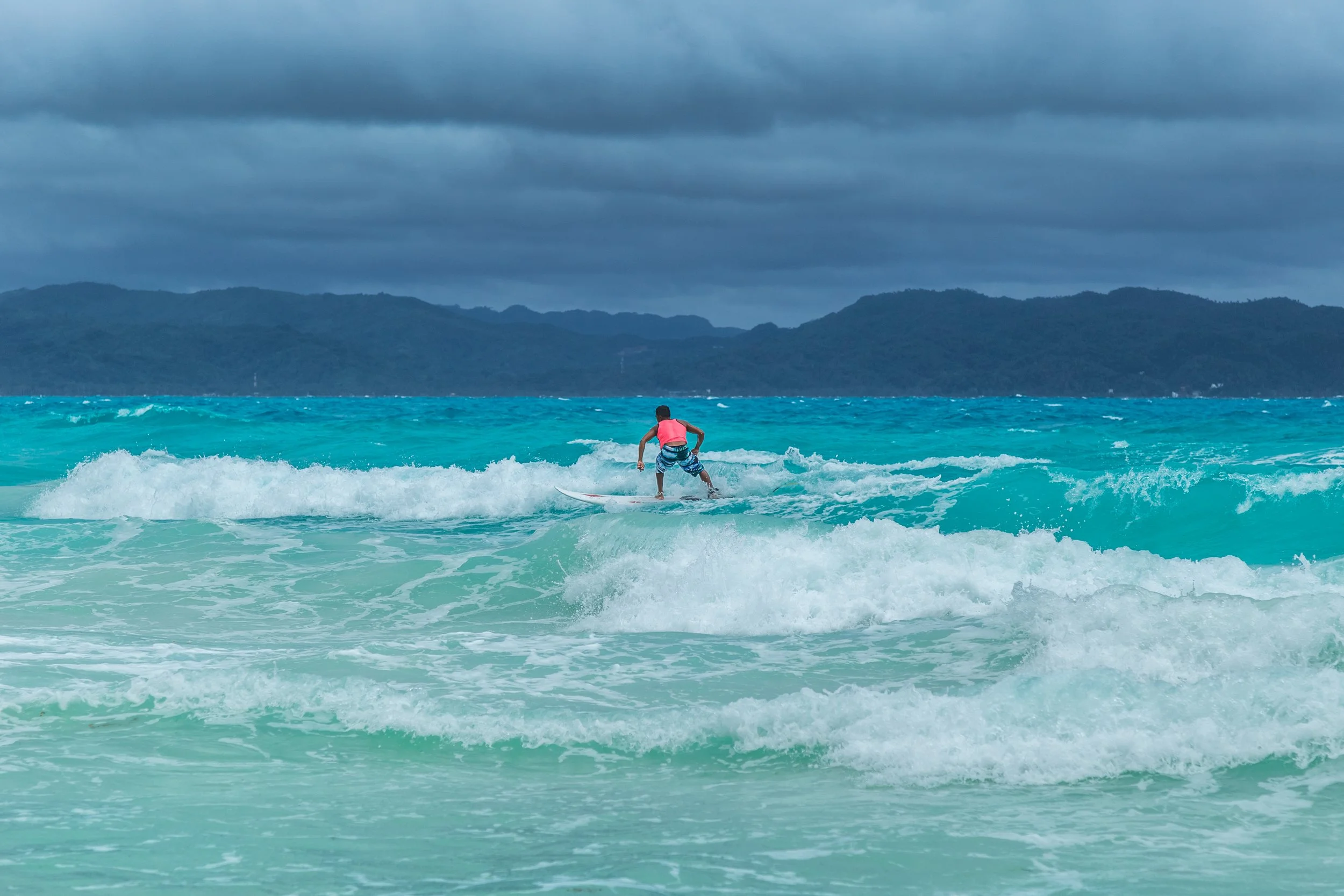
Cloud 9 is not merely Siargao's most famous attraction — it is one of the most technically revered surf breaks in all of Asia, a powerful, hollow right-hander that peels over a shallow reef and produces the kind of fast, barreling wave that surfers spend entire careers chasing. The wave has been the site of the Siargao Cloud 9 Surfing Cup, a professional international competition that has run for decades and placed Siargao firmly on the global surfing map, and the wooden boardwalk extending over the reef gives even non-surfers a front-row seat to watch skilled riders disappear inside the tube. For beginners, the beach breaks along General Luna's stretch of coastline offer a far gentler introduction to the sport, with dozens of surf schools, patient instructors, and rental boards readily available along the strip — making Siargao simultaneously one of the world's best advanced surf destinations and one of the most welcoming for first-timers.
Kayaking and Cliff Jumping — Sugba Lagoon, Del Carmen
Sugba Lagoon is, without qualification, one of the most visually stunning natural spaces in the Philippines — a wide, jade-green expanse of still water enclosed by dense mangrove forests and framed in the distance by limestone formations, the entire scene sitting in an almost surreal state of calm that makes it feel more like a painting than a real place. Located in the municipality of Del Carmen, roughly an hour and a half from General Luna by boat, the journey to the lagoon is itself a genuine adventure as the route crosses open sea before narrowing into the sheltered channels that lead to the protected water. Once there, visitors can rent kayaks or paddleboards to explore the lagoon at their own pace, leap from a wooden platform anchored in the middle of the water, or simply float and absorb surroundings that are difficult to do justice in photographs. Because Sugba is a protected area with managed visitor capacity, the lagoon retains a sense of serenity that many Philippine natural attractions have lost to mass tourism
Swimming with Jellyfish and Cave Exploration — Sohoton Cove National Park, Bucas Grande
Sohoton Cove National Park on Bucas Grande Island — accessible by a longer boat excursion from Dapa to Soccoro — is one of the most extraordinary natural experiences available anywhere in the Philippine archipelago, and it rewards the journey required to reach it with memories that prove genuinely difficult to describe to anyone who has not been there. The park's star attractions are lagoons inhabited by enormous stingless jellyfish sanctuaries, which drift through the water in translucent, pulsing masses that visitors can swim directly through without any protective gear. Beyond the jellyfish lagoon, the park features a network of sea caves with passageways that require swimming through submerged tunnels at low tide, emerging into hidden chambers where cathedral ceilings of rock rise above perfectly still, mirrored water. The combination of the jellyfish encounter, the cave system, and the park's extraordinary landscape — mangroves, limestone formations, and open sea — makes Sohoton Cove a genuinely once-in-a-lifetime destination that most travelers consider the highlight of their time in Siargao.
Island Hopping — Naked Island, Daku Island, and Guyam Island
The three islets scattered off the coast of General Luna — Naked Island, Daku Island, and Guyam Island — form one of the most satisfying and visually diverse island-hopping circuits in the Philippines, each delivering a completely different atmosphere within the span of a single half-day boat trip. Naked Island is a thin, bare crescent of white sand, no shade, and no structures. Just open sky, the sound of the ocean on all sides, and a kind of raw, stripped-down beauty that is instantly striking. Daku Island is larger and inhabited, with a small fishing community whose members serve freshly caught and grilled seafood to visiting groups at the water's edge. Guyam Island, the smallest of the three, is considered the most picturesque, perfect for picnics, relaxing, picture taking and exploring its shores. Boat tours covering all three depart daily from General Luna and can be arranged through virtually any accommodation or tour desk on the island.
Tidal Rock Pool Swimming — Magpupungko Rock Pools, Pilar
Magpupungko is a tidal natural wonder in the municipality of Pilar that rewards visitors who arrive at the right moment with one of Siargao's most quietly spectacular experiences. During low tide, the retreating sea exposes a dramatic series of coastal rock formations that enclose a series of natural pools ranging from shallow wading basins to deep, calm swimming holes of crystal-clear water that have been warmed by the sun over the preceding hours. The largest pool is deep enough to dive into comfortably and sits within a natural amphitheater of dark volcanic rock that amplifies both the drama of the setting and the pleasure of swimming in it — with the open ocean visible just beyond the rock's edge, sending occasional mists of spray inland when waves break against the outer formation. Timing is critical: at high tide, the pools fill entirely and the rocks are submerged, so visiting during a confirmed low-tide window — typically mid-morning on suitable days — is essential, and local guides at the site are reliable sources of tide information.
Food Crawl and Cafe Hopping — General Luna Town Proper, Siargao
Siargao's food and cafe scene has undergone a remarkable transformation over the past five to seven years and now stands as one of the most vibrant and diverse dining landscapes of any Philippine island destination. A development that genuinely surprises many first-time visitors who expect a simple surf town and find instead a small but sophisticated food hub with genuine culinary ambition. The main strip in General Luna and its surrounding lanes host specialty coffee shops that source single-origin beans and serve meticulously prepared espresso drinks, open-air restaurants serving freshly caught tuna prepared in half a dozen different styles, and casual bars with craft cocktail menus and live acoustic sets that draw a mixed crowd of local surfers and well-traveled tourists. The diversity of cuisines represented — Filipino, Japanese, Korean, Mexican, and Mediterranean influences all appear on menus within a few blocks of each other — reflects the eclectic, internationally minded community that has grown up around Siargao's tourism boom, and exploring it on foot over the course of an evening is one of the most pleasurable ways to experience what makes this island different from anywhere else in the Philippines.
Siargao is a dream destination for surfers of all levels, backpackers, digital nomads, and anyone looking for a mix of world-class outdoor adventure and a lively, cosmopolitan social scene — all wrapped in genuine island beauty.
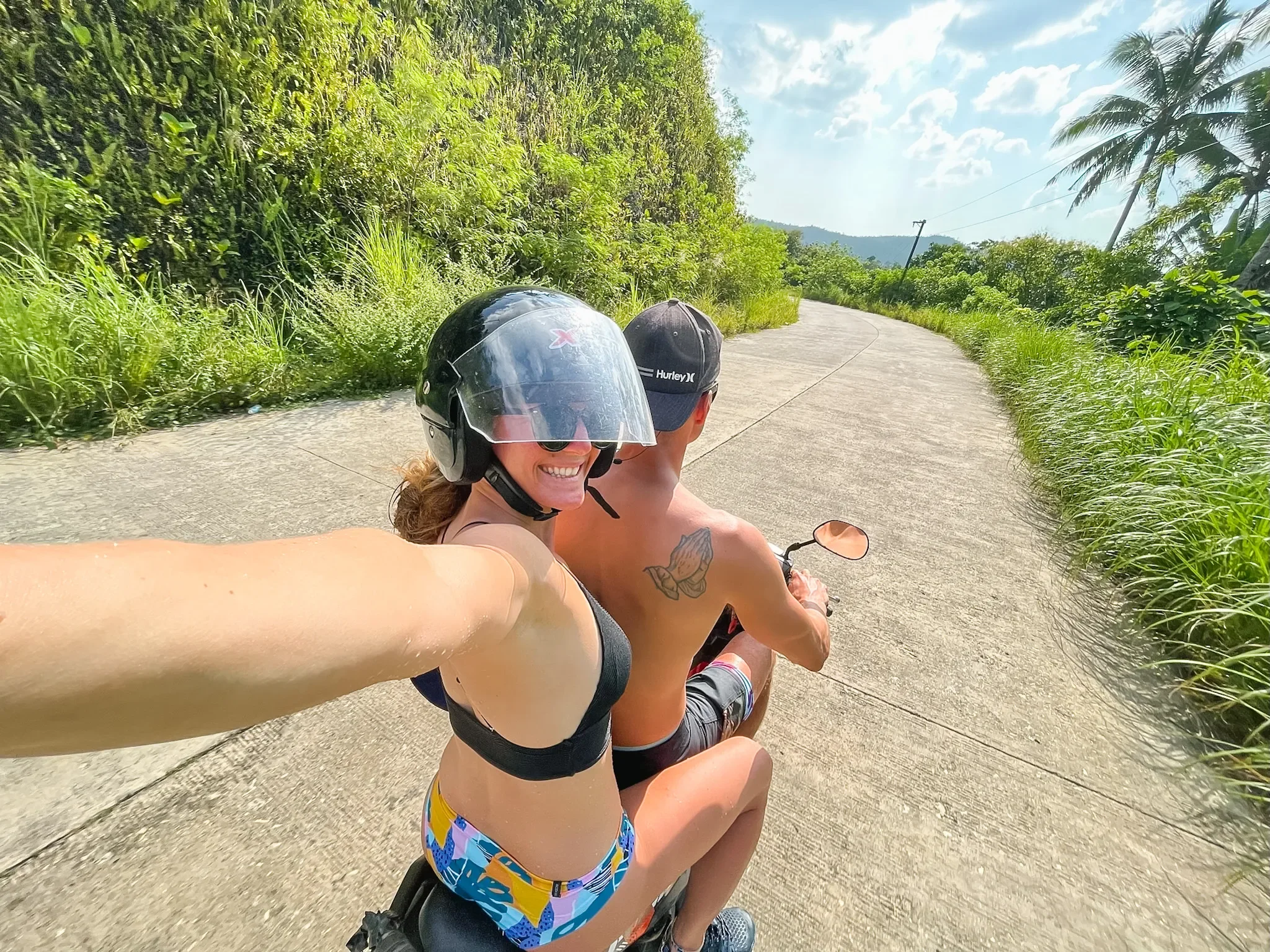
Which Philippine Island Is Right for You?
There is no single correct answer to this question and that is actually the most beautiful thing about traveling in the Philippines. These two islands offer a completely different flavor of paradise, and the right choice truly depends on the kind of vacation you are looking for.
If your soul needs stillness, if you want to wake up to birdsong instead of alarm clocks, explore forest waterfalls, and genuinely unplug from the world, then Siquijor's quiet, enchanted atmosphere is likely calling to you. Its manageable size and unhurried pace make every day feel intentional and restorative.
If you are after that electric combination of world-class surfing, breathtaking lagoons, and a buzzing social scene, Siargao delivers with effortless charisma. Whether you are catching your first wave or your thousandth, exploring Sohoton Cove by boat, or sharing a coconut by the sea with fellow travelers, Siargao has a kind of magnetic energy that keeps people coming back year after year.
A Note on Getting There
While these two islands have their own unique character, both also have a particularly convenient travel option. Sunlight Air offers direct flights to both Siquijor and Siargao, making the journey to these incredible destinations significantly easier especially for travelers who want to maximize their time on the island rather than spending hours on ferries or complicated multi-leg trips.
Siquijor, in particular, has historically been one of those destinations that travelers put off simply because of the perceived difficulty of getting there. Sunlight Air changes that equation, opening up the enchanted island to a wider range of visitors without adding unnecessary travel stress to the beginning and end of your trip.
The same goes for Siargao. While the island is increasingly well-connected, the availability of Sunlight Air routes means you can spend more of your precious vacation days doing what you actually came to do — surfing, exploring, and living well.
| Category | Siquijor | Siargao |
|---|---|---|
| Vibe | Mystical & Laid-back | Surf & Beach Party |
| Best For | Healing retreats, wellness | Surfers, backpackers |
| Top Attraction | Cambugahay Falls, Balete Tree | Cloud 9 Surf Break |
| Crowd Level | Low–Moderate | Moderate–High |
| Accessibility | Sunlight Air ✈ | Sunlight Air ✈ |
| Average Cost | Budget–Moderate | Budget–Moderate |
Wherever you decide to go, the Philippines will greet you with warmth, wonder, and the kind of beauty that stays with you long after you have returned home. Travelers exploring Siargao and Siquijor may also appreciate the added convenience of Sunlight Air’s growing network, with daily flights from Cebu to Siargao, Clark to Siargao services operating four times weekly, and Cebu to Siquijor routes available three times a week.