
Discovering the story behind Siquijor's "Island of Fire”
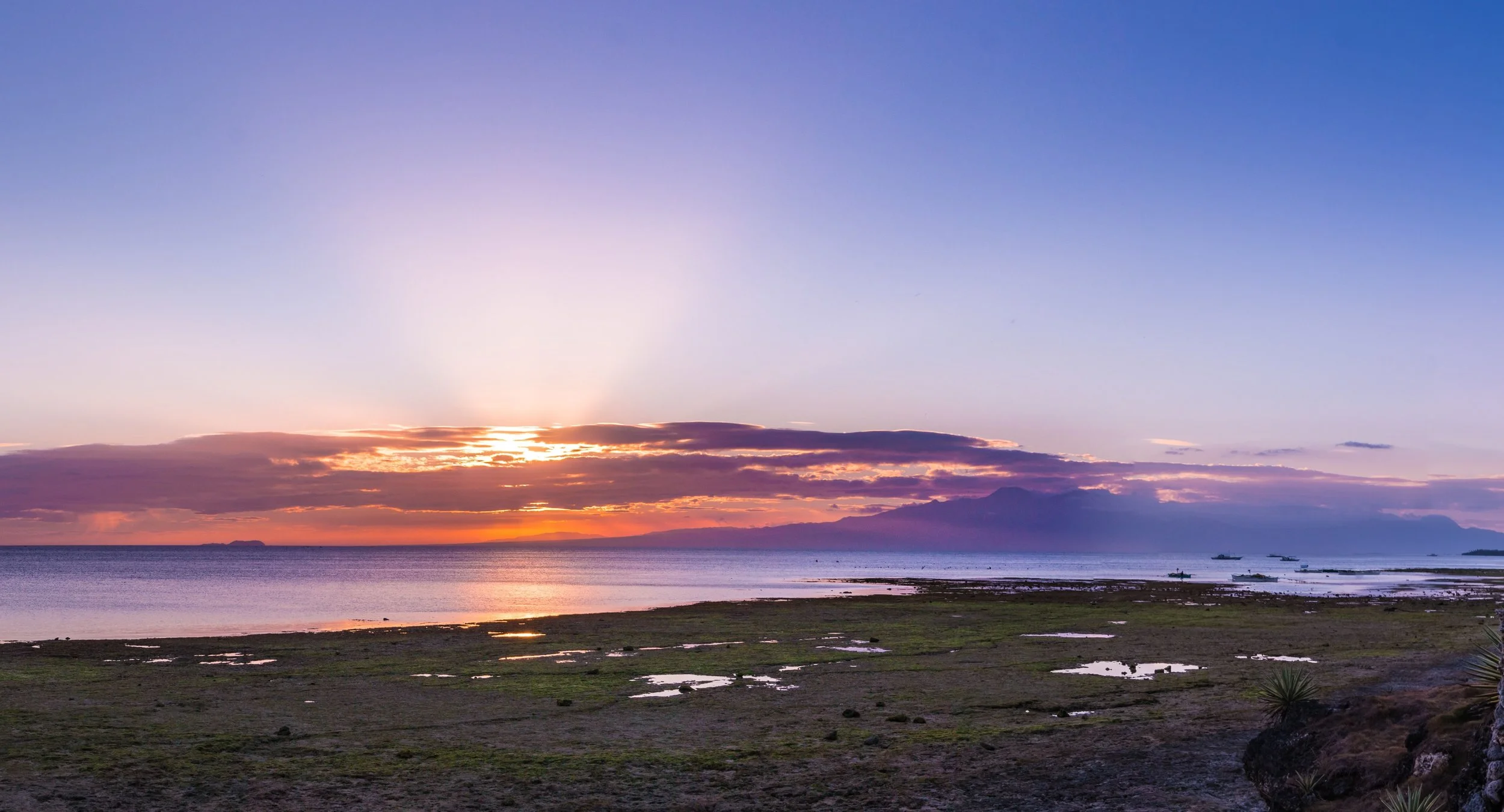
Long before the first tourist arrived, Siquijor was already legendary — the third smallest Philippine province said to glow with an ethereal light on certain nights, a phenomenon locals attributed to fireflies blanketing its molave forests. Sailors called it Isla del Fuego: the Island of Fire.
That name carries a very different weight today. To most Filipinos, Siquijor still earns a raised eyebrow. To international travelers, it offers something rarer: a place where animist tradition, folk medicine, and Catholic ritual have merged into a living culture unlike anything else in Southeast Asia.
The Origins of The Legend
Where ‘Island of Fire’ Really Comes From
Spanish explorers approaching the island at night observed the coastline shimmering not with flames, but with the natural glow of fireflies nesting in the dense molave forests prompting them to name it Isla del Fuego. This spiritual reputation, however, predated European contact: the Visayan peoples already revered Siquijor as a significant center of babaylan power, where indigenous shaman-healers, predominantly women, were regarded as some of the most influential in the archipelago. Following the arrival of our Spanish visitors, traditional babaylan practices were discouraged under new administrative and religious policies, yet they adapted and endured rather than disappeared.
“The healers did not survive in spite of Catholicism — they survived inside it, lighting a candle to Santo Niño before crushing their roots.”
The Healers
Mananambal: A Practice Still Alive
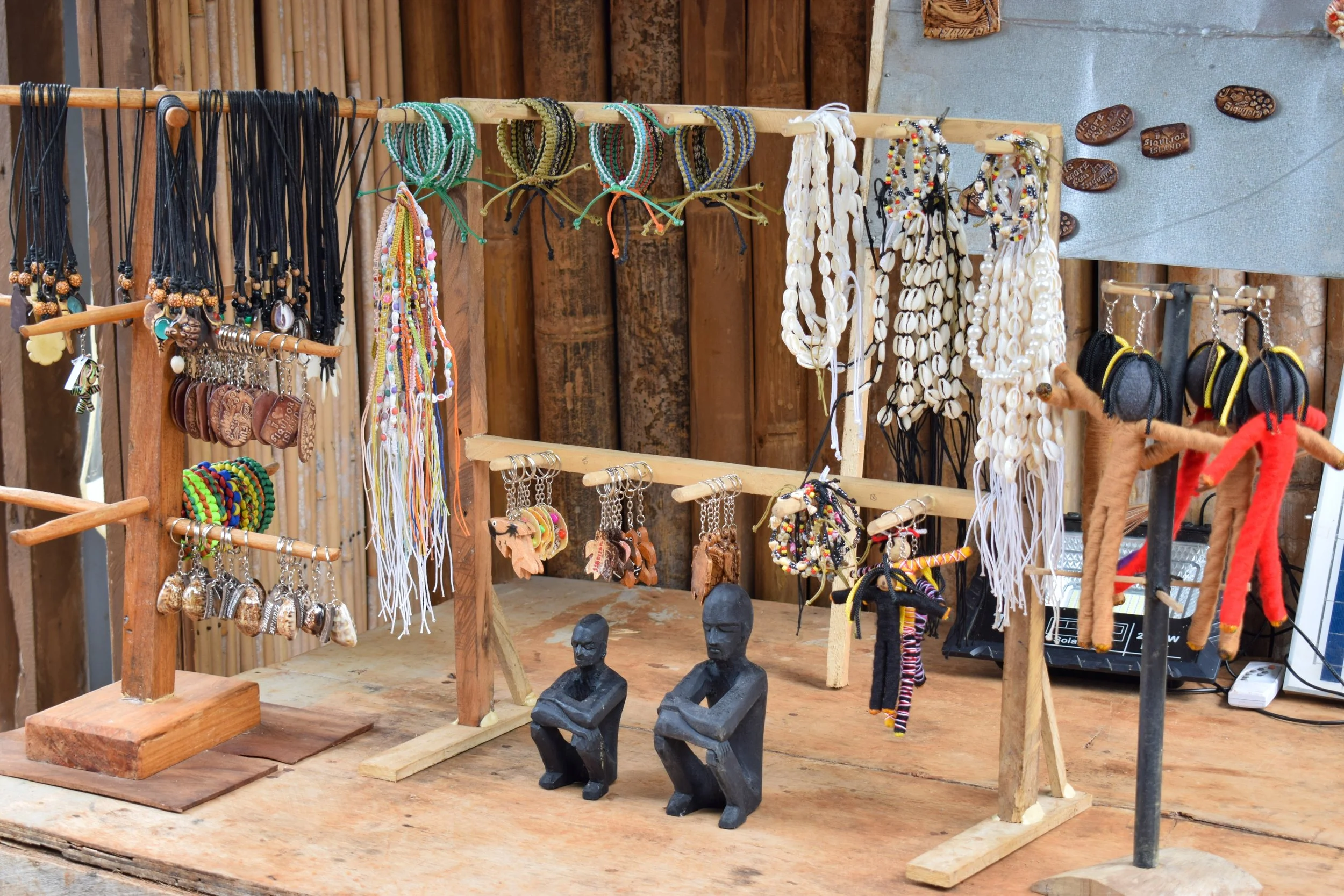
The folk healers known as mananambal still practice today. During Holy Week, they prepare anting-anting or herbal amulets and concoctions for the healing festival which highlights the sacred nature of the mananambals’ practice, emphasizing that their traditional healing is intended purely for the greater good.
Practitioners from across Siquijor gather at Mt. Bandilaan to offer their unique healing gifts to both local and international visitors, who can also purchase natural herbs and medicinal potions on-site. They do not advertise. They work by referral, accept offerings rather than fees, and are found through patience and local trust which is precisely what makes the encounter worth having.
The Modern Encounter
What Travelers Actually Find
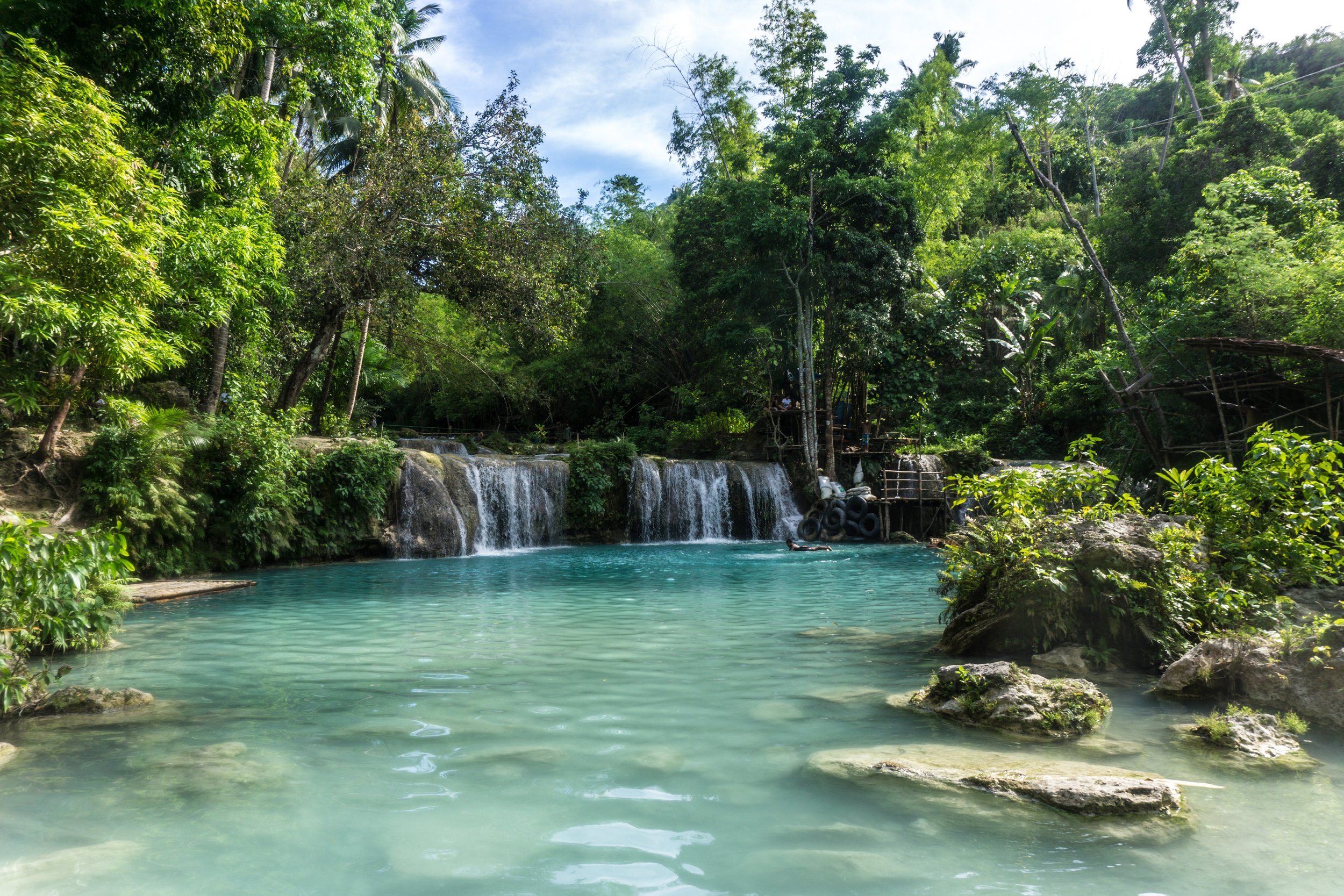
Visitors expecting a sinister island find instead one of the Philippines’ gentlest: waterfalls fringed with bamboo, Spanish Churches, and the famous Balete Tree — a 400-year-old tree doubling as a fish spa, serene and quietly strange. Siquijor is small enough to circle by motorbike in a day, and locals intend to keep it that way.
“Siquijor offers something increasingly rare: a place that has kept its own sense of time — and its own relationship with the unseen.”
The International Angle
Healing tourism has grown across Southeast Asia, but Siquijor’s tradition remains far less packaged than its regional counterparts. The mananambal are not running retreats, they are simply continuing what has always been practiced, on their own terms. For travelers, that distinction matters. What the island ultimately offers is a living culture still negotiating between visible and invisible worlds, an experience that lingers long after you’ve crossed back to the mainland.
A NOTE ON RESPECTFUL TRAVEL
If you seek out a mananambal, secure a local introduction whenever possible. This establishes trust and ensures you are meeting an authentic practitioner. Always ask for explicit permission before taking photographs or recording audio, as many rituals are private and deeply personal. When the session concludes, offer a voluntary donation rather than treating it as a commercial fee and above all, approach as a guest in someone else’s sacred space, because that is exactly what you are.
Crucially, leave behind any curiosity regarding kulam (dark magic) or curses. Authentic mananambals view their craft as a divine gift meant solely for healing and protection. Asking them to inflict harm or entertain superstitions about sorcery is deeply disrespectful to both the healer and their traditions.
GETTING THERE
Getting there has traditionally meant a ferry journey, and while many travelers consider the crossing part of the experience, it can also be one of the more challenging aspects of visiting Siquijor. The trip has often required careful coordination of land and sea transfers, adding several hours to the journey and limiting flexibility. The effort has long been rewarded by the island's quiet beaches, waterfalls, and distinctive culture, but the journey itself could be daunting for travelers with limited time.
The best time to visit is during the dry season, November to May, when seas are calmer and the roads more forgiving for motorbike circuits and tours around the island. Holy Week draws the largest gatherings of folk healers but also the most visitors. Those seeking quieter encounters may find the weeks just before or after equally rewarding. Accommodation ranges from simple guesthouses in Siquijor town to small eco-resorts along the west coast. None of it overwhelming, all of it in keeping with the island’s unhurried character.
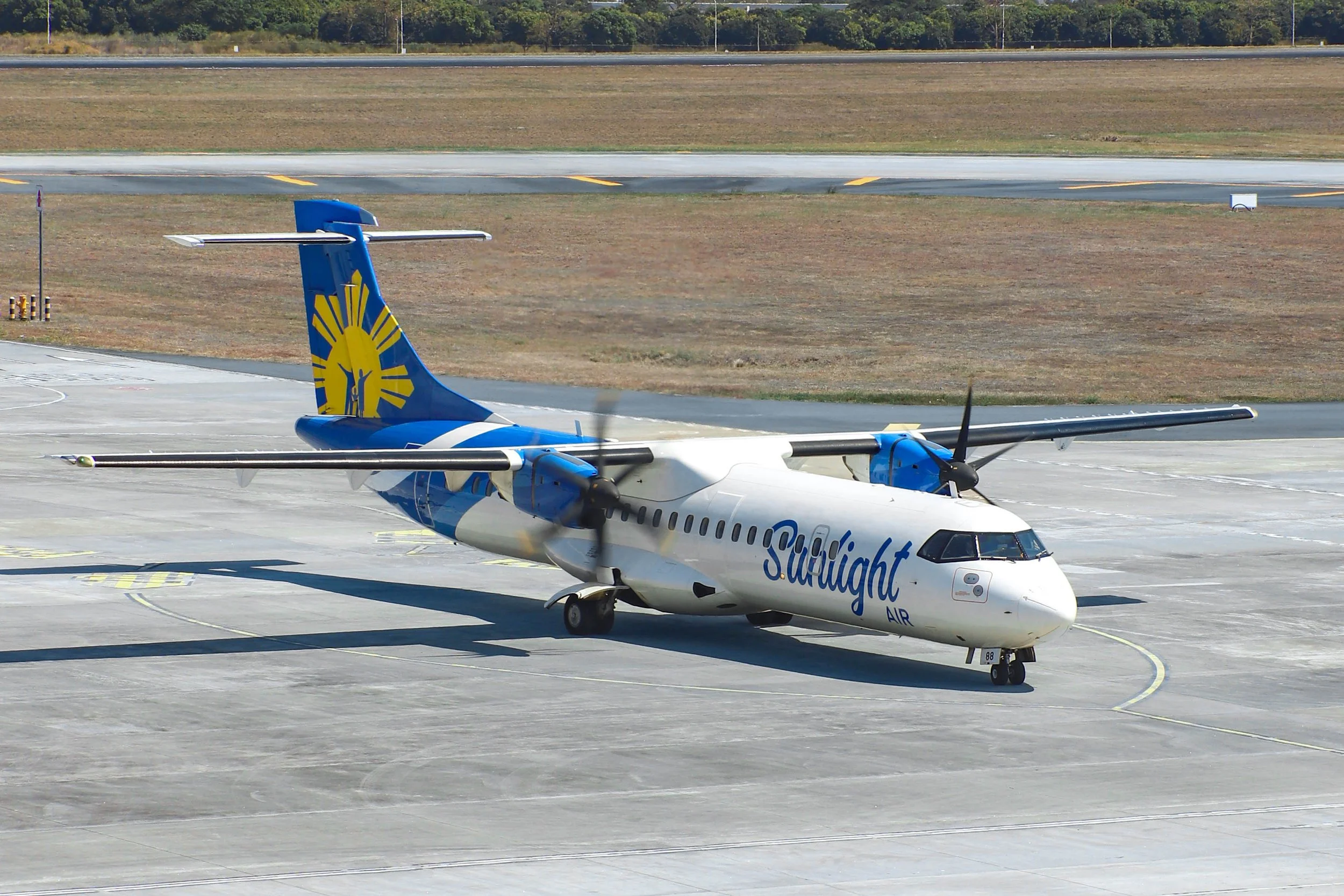
Reaching Siquijor has become more convenient since last year. Travelers from Cebu may opt for Sunlight Air, whose direct service operates three times a week and takes approximately 55 minutes, significantly shortening what has traditionally been a much longer journey.