
Why visit Romblon
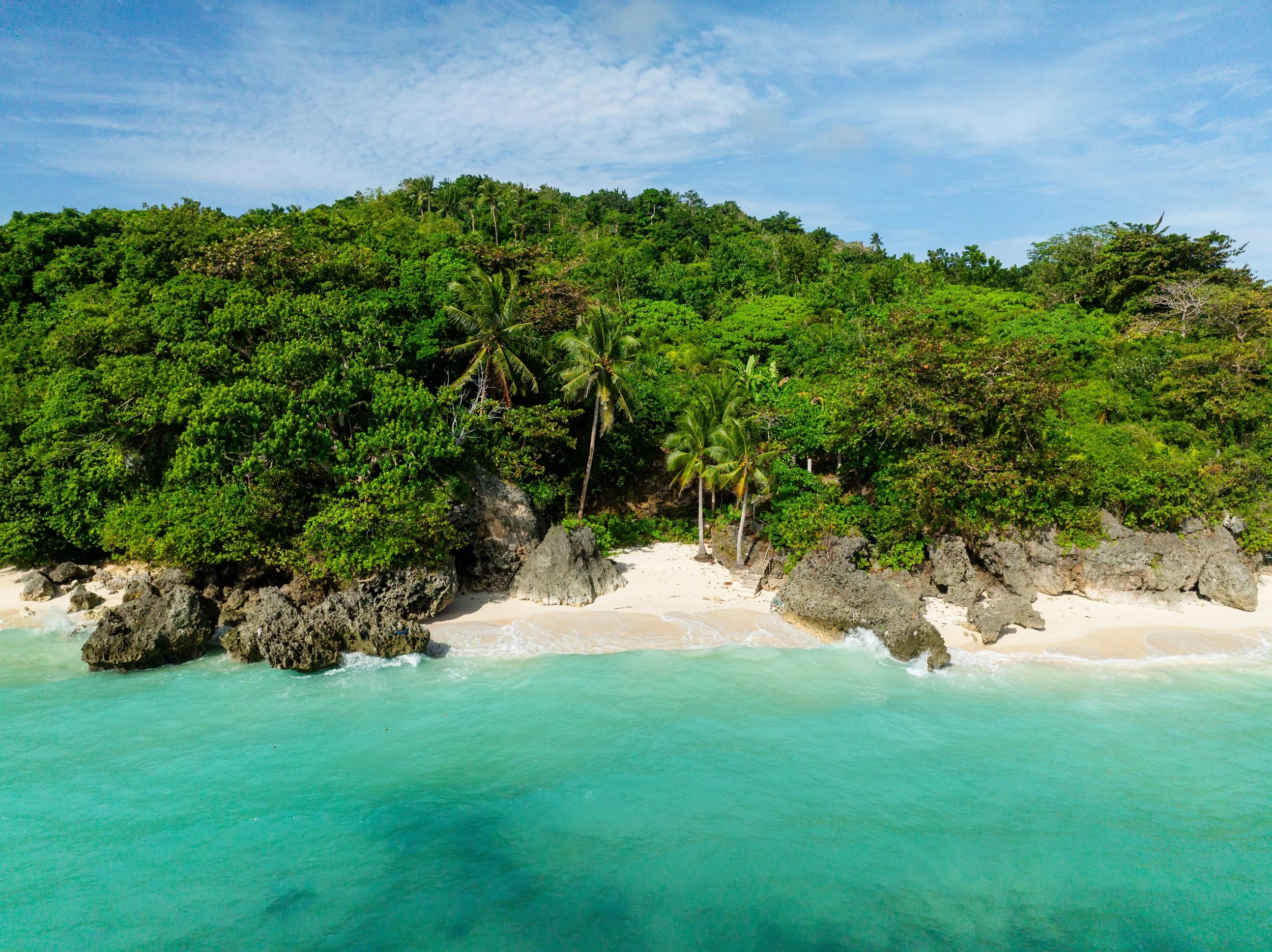
If nightlife, hotel leisure, and café culture are your kind of travel, skip this one. But if you'd rather trade crowds for untouched landscapes, quiet beaches, and the thrill of discovering somewhere new, Romblon might be it.
Still relatively under the radar, Romblon is built for nature lovers, with lush mountains and forests, striking beaches and seascapes, and an underwater world that deserves just as much attention. One moment you're winding through green mountains and dense forest. The next you're on a quiet stretch of beach with nothing but blue water and dramatic scenery. Somewhere along the road, you'll pass a random viewpoint, a farm, a traditional house, or a landscape so picturesque it could belong in a Fernando Amorsolo painting.
The beauty isn't confined to a single attraction. It's in the road you take, the coastline you pass, the mountains in the distance, and the places you stumble on by accident.
No two islands feel the same
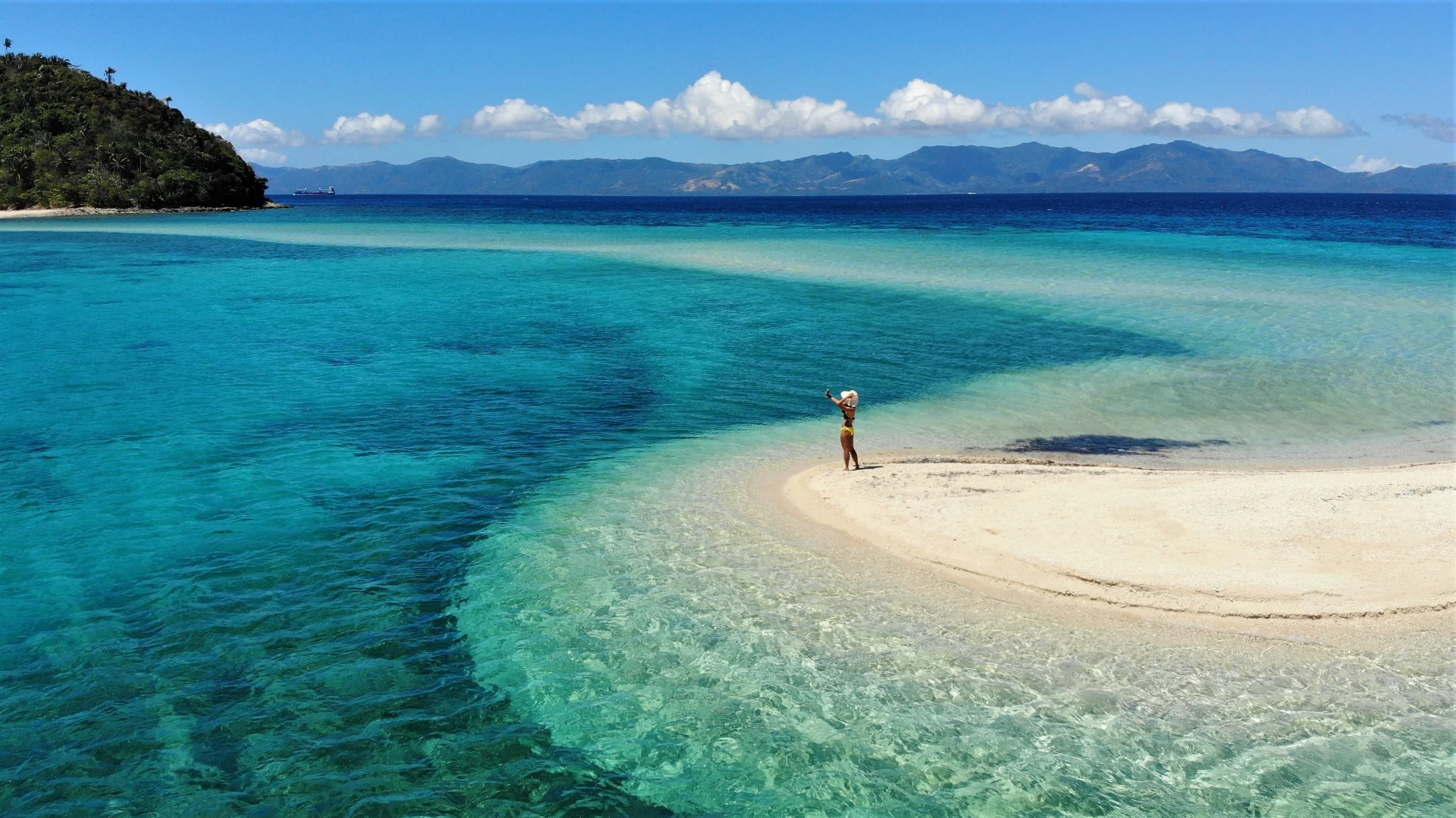
Romblon is a province of islands, each with its own landscape and story. Four are the most accessible: Romblon Island, Tablas Island, Sibuyan Island, and Carabao Island.
Romblon Island is home to the provincial capital, most of the province's accommodations, marble workshops, souvenir shops, and its historic and cultural attractions. It's also home to Bon Bon Beach, which landed at No. 38 on the World's 50 Best Beaches 2025 list.
Carabao Island offers the kind of white sand and clear turquoise water that made nearby Boracay famous, but it's more than a side trip. Dramatic coastal scenery, caves, cliffs, and a quieter pace give it a character of its own.
Sibuyan Island turns greener and more mountainous. It's home to Mount Guiting-Guiting and the gateway to Cresta de Gallo, a small island known for pristine white sand and turquoise water.
Tablas Island is the largest of the four and the main gateway to Romblon by air, with the province's Tugdan Airport in Alcantara. It offers the most varied experience on land, a coastline dotted with beaches and coves, and inland waterfalls, mountains, farms, and green landscapes around every bend. Among its highlights are the Calatrava Coves, with limestone formations and turquoise water reminiscent of Palawan's lagoons.
The best of it is underwater
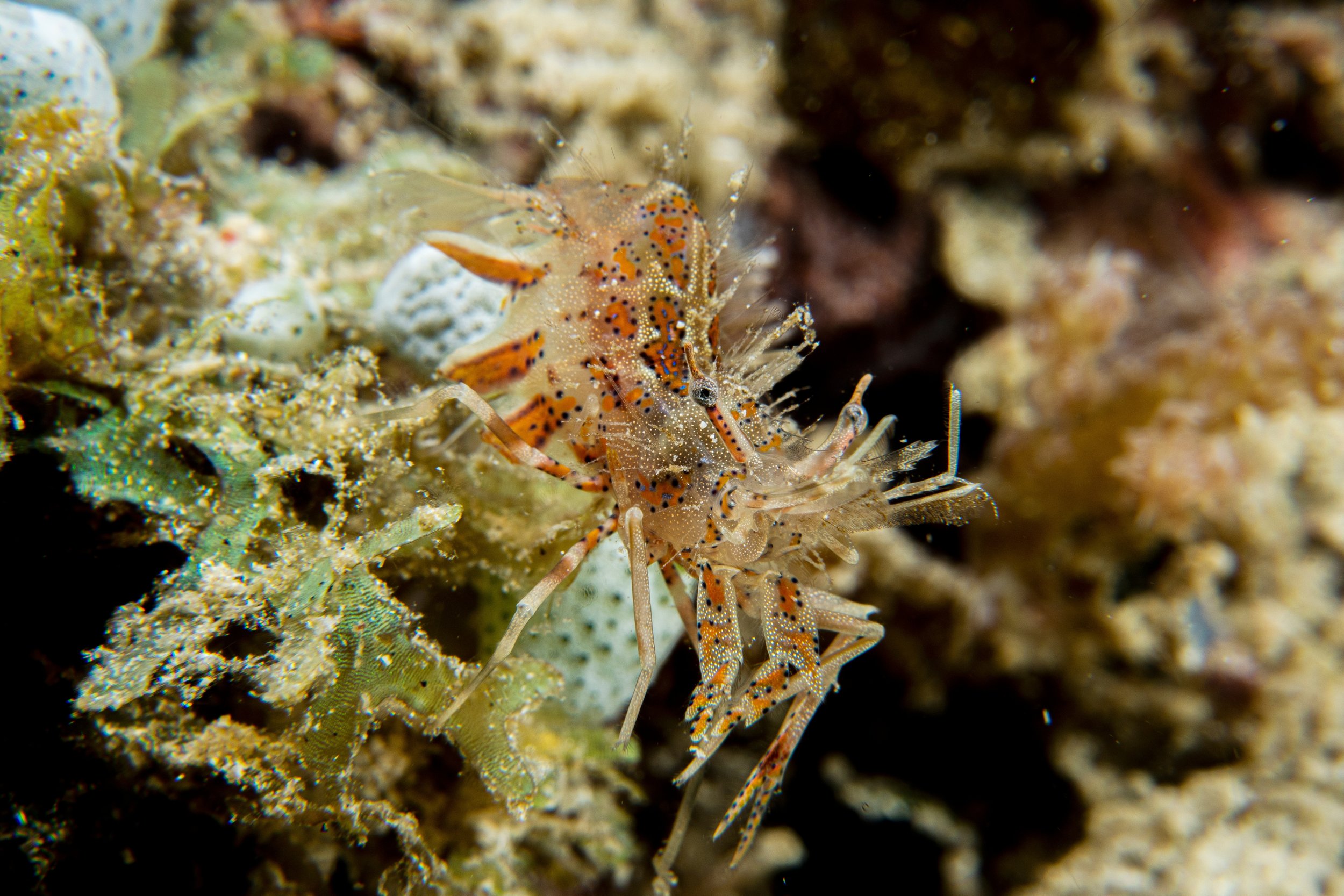
Romblon's beauty doesn't end at the surface. Its diverse underwater habitats have made the province a rising destination for supermacro underwater photography and some of the most unusual marine life in the Philippines: Pontohi pygmy seahorses, Stiliger species, tiger butterfly sea slugs, sashimi shrimp, rare pipefish, and even the elusive Lembeh sea dragon.
Among the most coveted sightings is Melibe colemani, the ghost nudibranch. It's hard to find in most of the world, but relatively reliable at certain Romblon dive sites, and it draws macro photographers from everywhere.
After dark, blackwater diving takes divers into open water at night, where a different cast of pelagic creatures emerges: juvenile octopuses, paper nautiluses, blanket octopuses, diamond squid, larval fish, siphonophores, jellyfish, and pelagic nudibranchs.
Then there's the only known blue hole in the Philippines. Located off Punta Gorda in San Agustin, Tablas Island, it opens several meters below the surface before descending into the depths. As divers move through the opening, sunlight fades behind them, replaced by rock walls and an intense blue that gives the site its name. It's a different kind of dive than Romblon's famous macro sites: not about spotting a tiny nudibranch, but about descending into a void unlike anything else in the country.
You can still have a beach to yourself
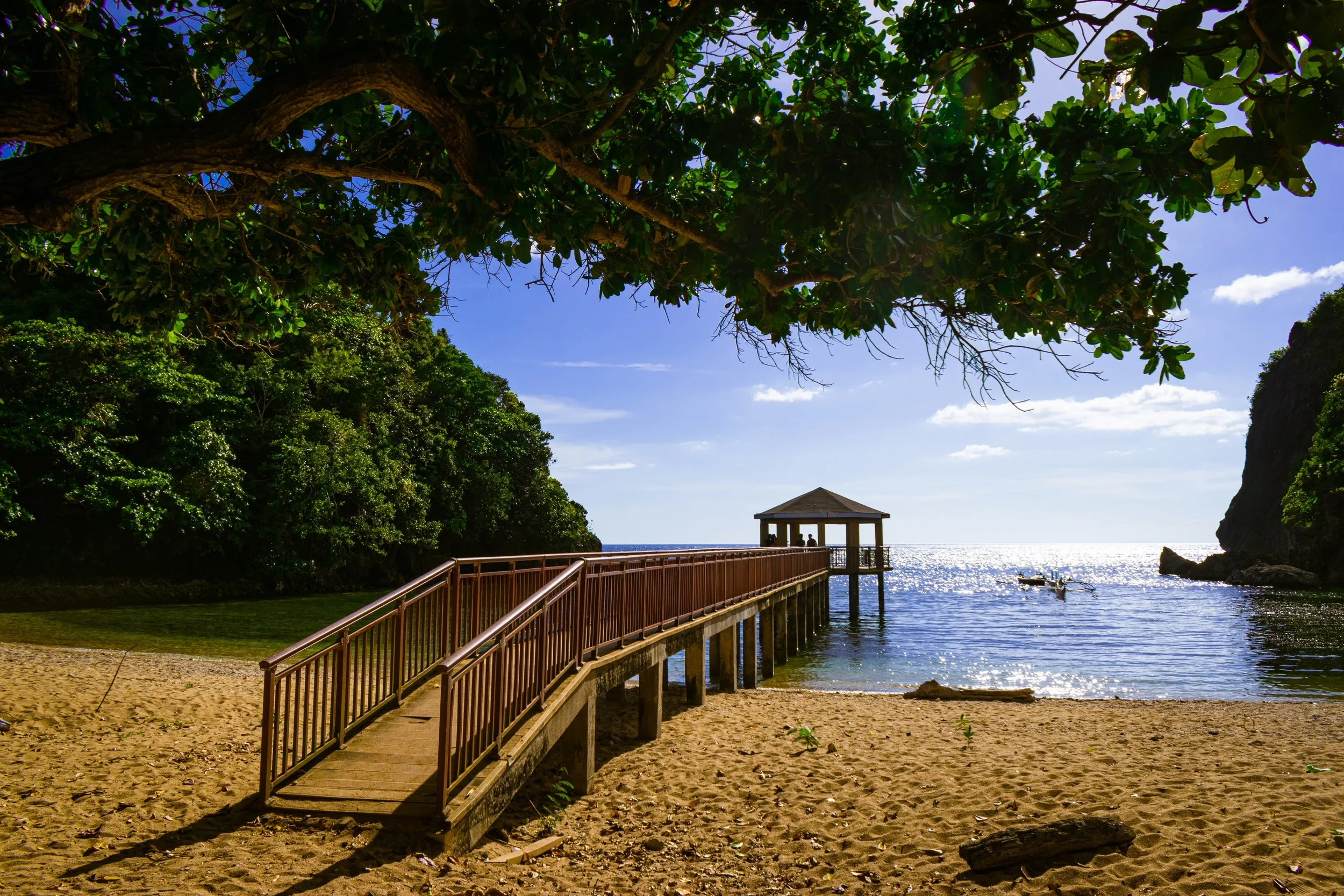
One of Romblon's biggest draws is something increasingly rare in Philippine travel: space. You can arrive at a beach, viewpoint, or roadside stretch of coastline and find little more than the sound of the sea, the wind, and the occasional local passing by.
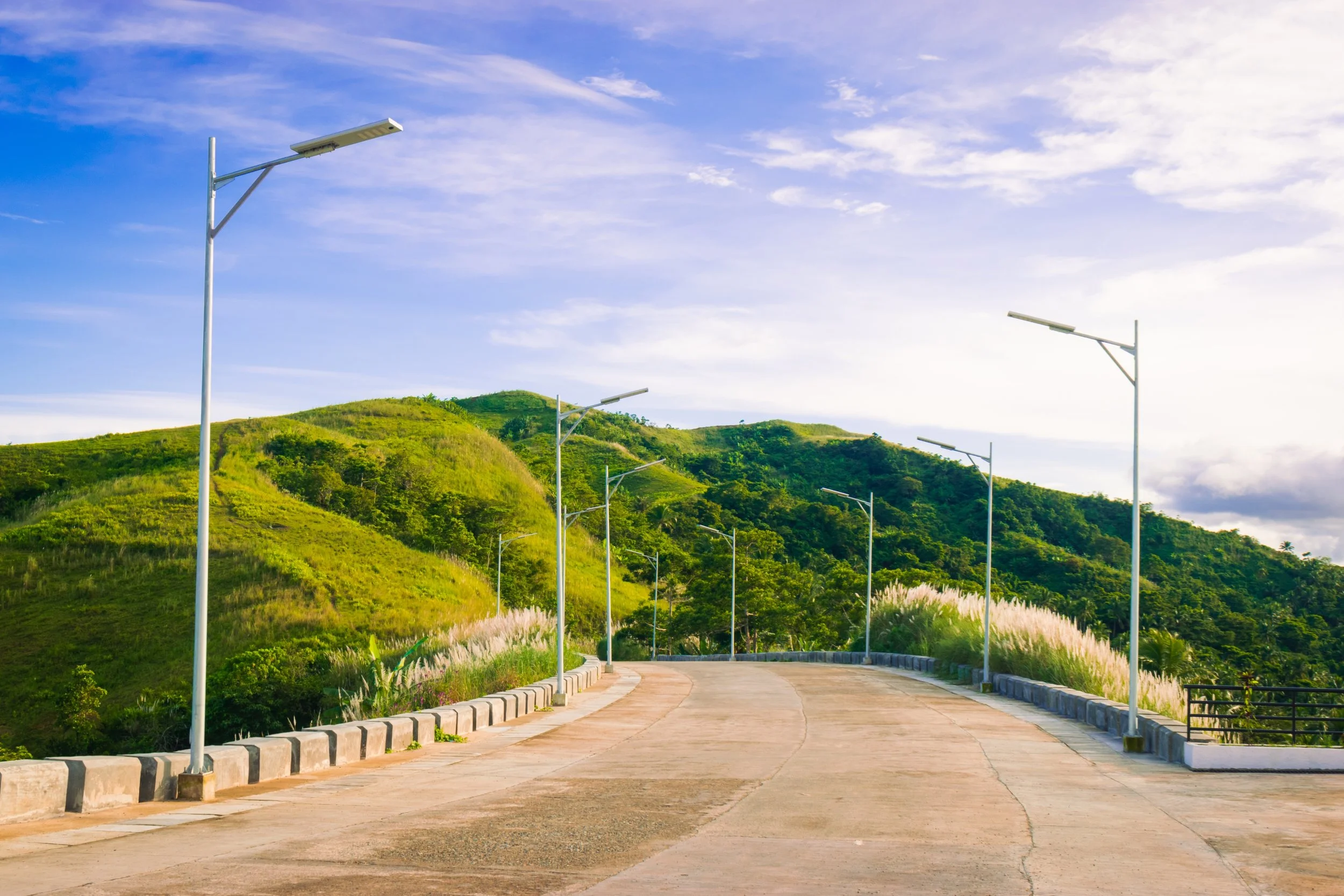
The appeal goes beyond fewer people, though. Romblon still feels authentic, deeply connected to fishing, farming, and the industries that have shaped it for generations. Drive through Tablas and you'll pass farms, villages, and countryside rather than commercial strips.
Not every beautiful view has a name, and not every scenic spot is on a map. Sometimes you'll pull over just because the view is too good to pass up. Ask a local about it, and they might tell you they don't know what it's called. It's just their neighborhood.
The journey is part of the experience
In Romblon, especially on Tablas, getting from one attraction to another often means real time on the road. The island is large, and its beaches, coves, waterfalls, and other attractions are spread across it. But the ride is part of the trip: stretches of lush landscape, rolling mountains, farms, and small communities, with views appearing when you least expect them.
The destination isn't always the highlight. Sometimes it's everything you see along the way, and that's what makes Romblon worth visiting, natural beauty, adventure, and authenticity, still largely undiscovered. See it while you can still have it to yourself.
Sunlight Air flies to Tablas from Clark twice a week, Tuesdays and Saturdays. Book your flight at sunlightair.ph, and see Romblon while it's still yours to discover.