
The complete guide to the Visayas’ most mystical island
What Is Siquijor Island?
Located in the Central Visayas, Siquijor sits south of Cebu and Bohol, and southeast of Negros Oriental. Siquijor is a small island province that has captivated travelers for centuries. First through its legends, and now through its pristine natural beauty. With a land area of roughly 344 square kilometers and a coastline stretching 102 kilometers, it is one of the smallest provinces in the entire Philippine archipelago.
The island is made up of six municipalities — Siquijor (the capital), San Juan, Lazi, Larena, Maria, and Enrique Villanueva with each offering a different flavor of island life. The population is just over 107,000, making it an intimate, unhurried place where locals greet you with genuine warmth.
But what truly sets Siquijor apart from the Philippines’ 7,600+ other islands is its atmosphere. The Spanish called it “Isla del Fuego” or the Island of Fire. After witnessing the glow of thousands of fireflies swarming the island’s molave trees at night. That sense of mystery has never quite left. Even today, Siquijor remains the spiritual heartland of the Visayan supernatural tradition, home to folk healers, ancient rituals, and a folklore that locals still hold close.
Why Siquijor Is Gaining Global Buzz
For decades, Siquijor flew under the radar while neighboring islands like Boracay, Siargao, and El Nido dominated the Philippines’ tourism spotlight. That, however, is changing fast. The island drew approximately 273,000 visitors in 2025 and was recently named one of the fastest-growing travel destinations in the Philippines by a well-known booking platform .
International travelers, especially those coming through Cebu, are seeking destinations that feel authentic and uncrowded. Siquijor delivers exactly that. Small guesthouses, family-run restaurants, and beaches where you might be the only visitor on any given morning.
There’s also a growing community of digital nomads and long-term travelers who have discovered the island’s appeal. Siquijor is stepping into a new era of connectivity. With solar-powered coworking hubs and satellite internet now reaching the shores of San Juan, the island offers the modern essentials needed to stay connected while maintaining its soul as a peaceful escape. Budget travelers can explore comfortably on around ₱1,500–2,016 per day (roughly $27–36.6 USD), while mid-range travelers rarely spend more than ₱2,666.6 ($43.59 USD).
Geography & Climate
Siquijor is a coralline island formed from ancient coral reefs pushed above sea level which explains both its dramatic coastal cliffs and the remarkably healthy reefs that ring its shores. The island sits in the Bohol Sea, roughly 19 km east of Negros, 25 km southeast of Cebu, and 30 km southwest from Bohol.
The terrain rises from the coast to a hilly interior, with the highest point being Mount Bandila-an at about 557 meters. The mountain’s summit hosts a national park and butterfly sanctuary, and its slopes are covered in dense tropical forest.
Climate-wise, Siquijor’s weather is relatively stable year-round. Temperatures hover between 25°C and 32°C, with a dry season from November to May and a wetter period from June through October. Even during the wet months, rain typically comes in short bursts rather than extended downpours.
Culture: The “Island of Fire” & Its Healing Traditions
When Spanish explorers arrived in 1565, they encountered an island that glowed at night and a population with spiritual practices unlike anything they’d seen. They named it Isla del Fuego, and the mystique has only grown since.
At the heart of this tradition are the mananambal — traditional folk healers who use herbal medicine, prayer, and ritual to treat ailments. During Holy Week, many gather for the Healing Festival, where potions and remedies are prepared in elaborate ceremonies that draw visitors from across the country.
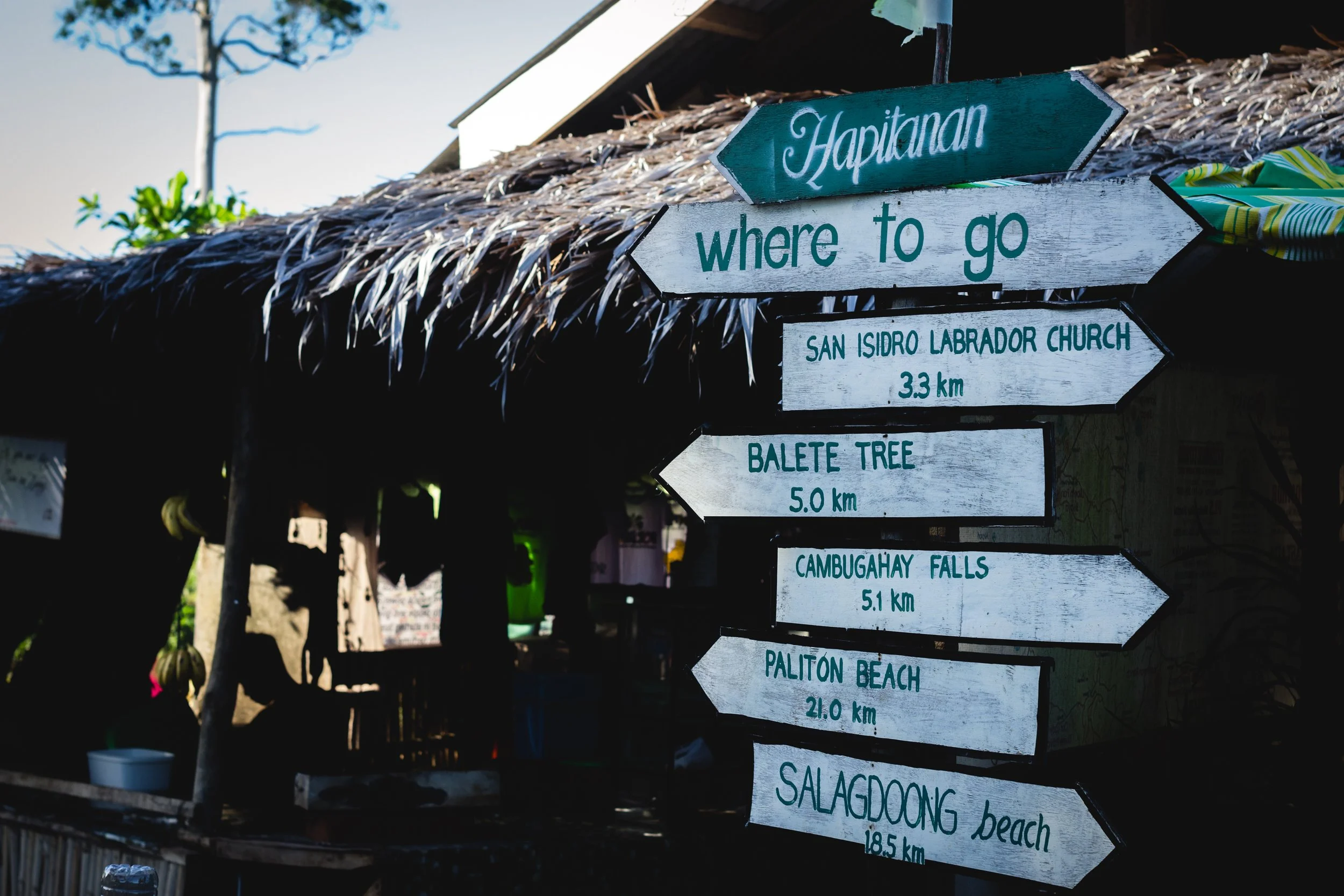
Around 95% of the island’s residents are Catholic, and the folk practices coexist alongside mainstream religion naturally. The island’s cultural heritage also includes colonial-era churches such as the San Isidro Labrador Church in Lazi which has been included on the tentative list of properties to be nominated to the UNESCO World Heritage List.
About the island’s name: One legend traces “Siquijor” to a pre-Spanish ruler named Datu Kihod, who introduced himself as “si Kihod” (“I am Kihod”) — which was misheard by the Spaniards. Another theory suggests a Spanish priest used the Latin word “sequor” (to follow the waves), which evolved into “Siquijor.”
Top Attractions & Experiences
Cambugahay Falls
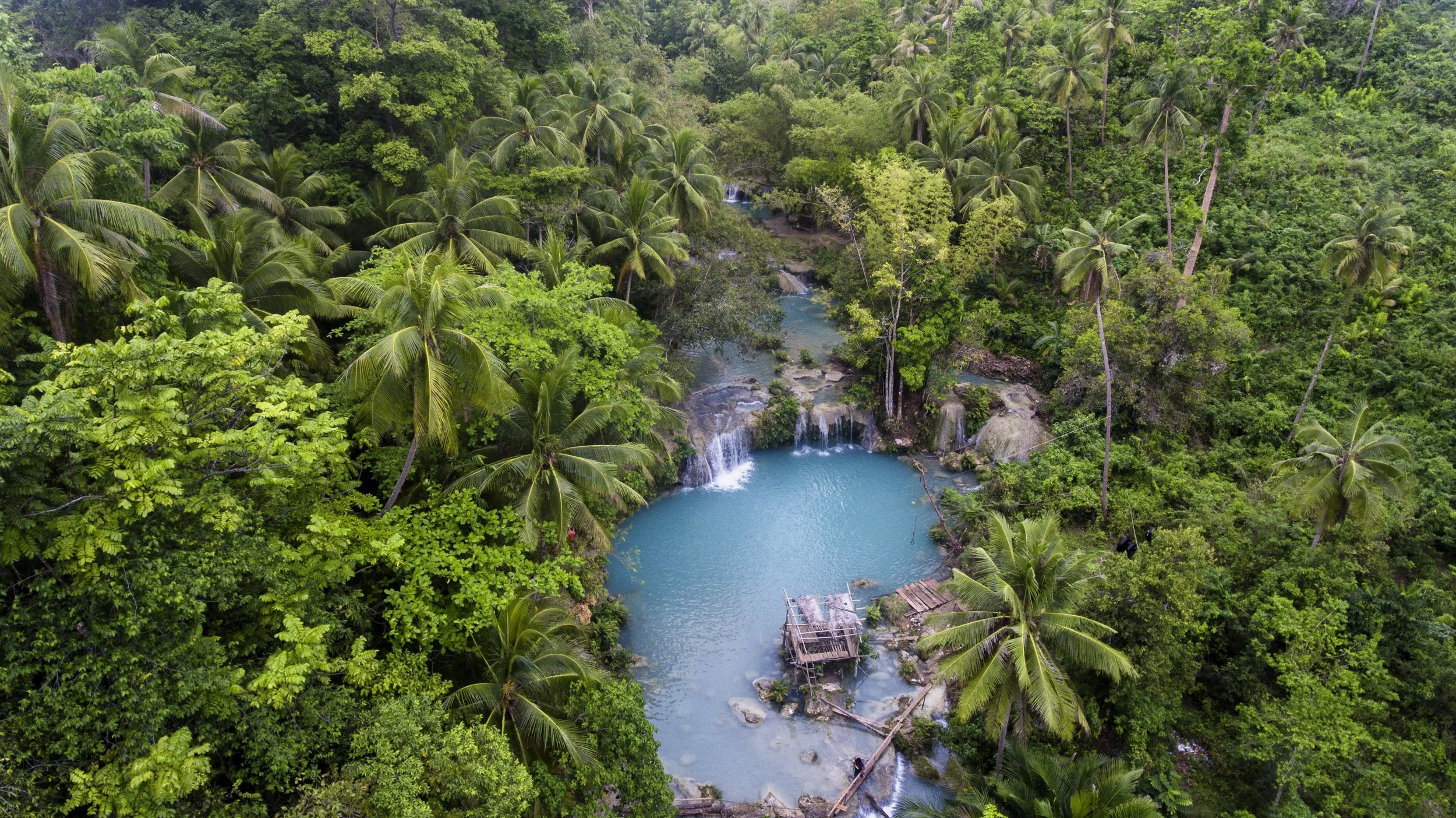
The island’s most iconic natural attraction, located in Lazi. Multiple tiers of turquoise pools connected by cascading water, rope swings, and a surrounding jungle canopy. A set of 135 stone steps leads down to the falls.
The Century-Old Balete Tree
A massive enchanted fig tree estimated to be over 400 years old. A freshwater spring at its base has been turned into a fish spa. Local folklore holds the tree is home to diwata (nature spirits) and dwende (elves).
Paliton Beach
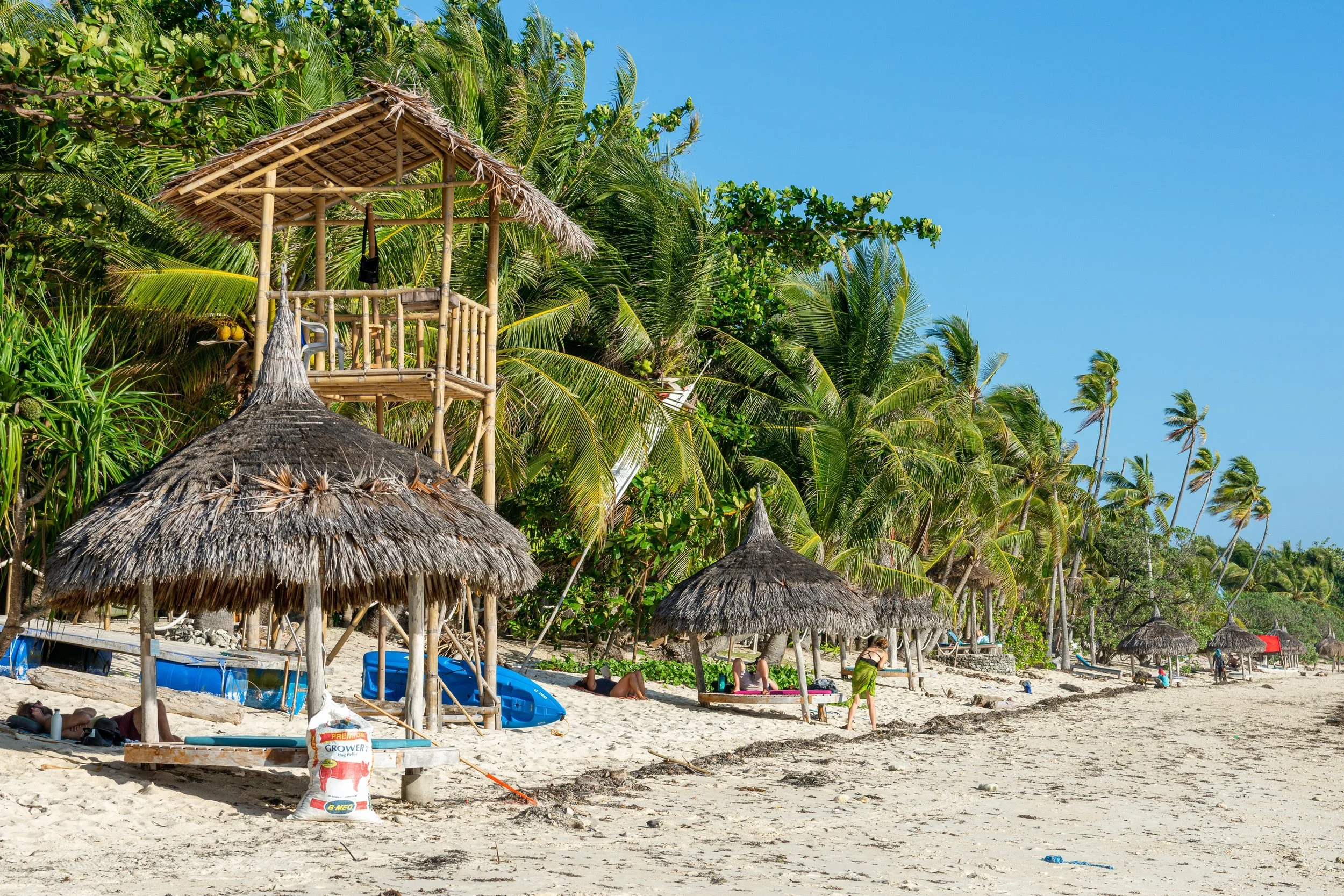
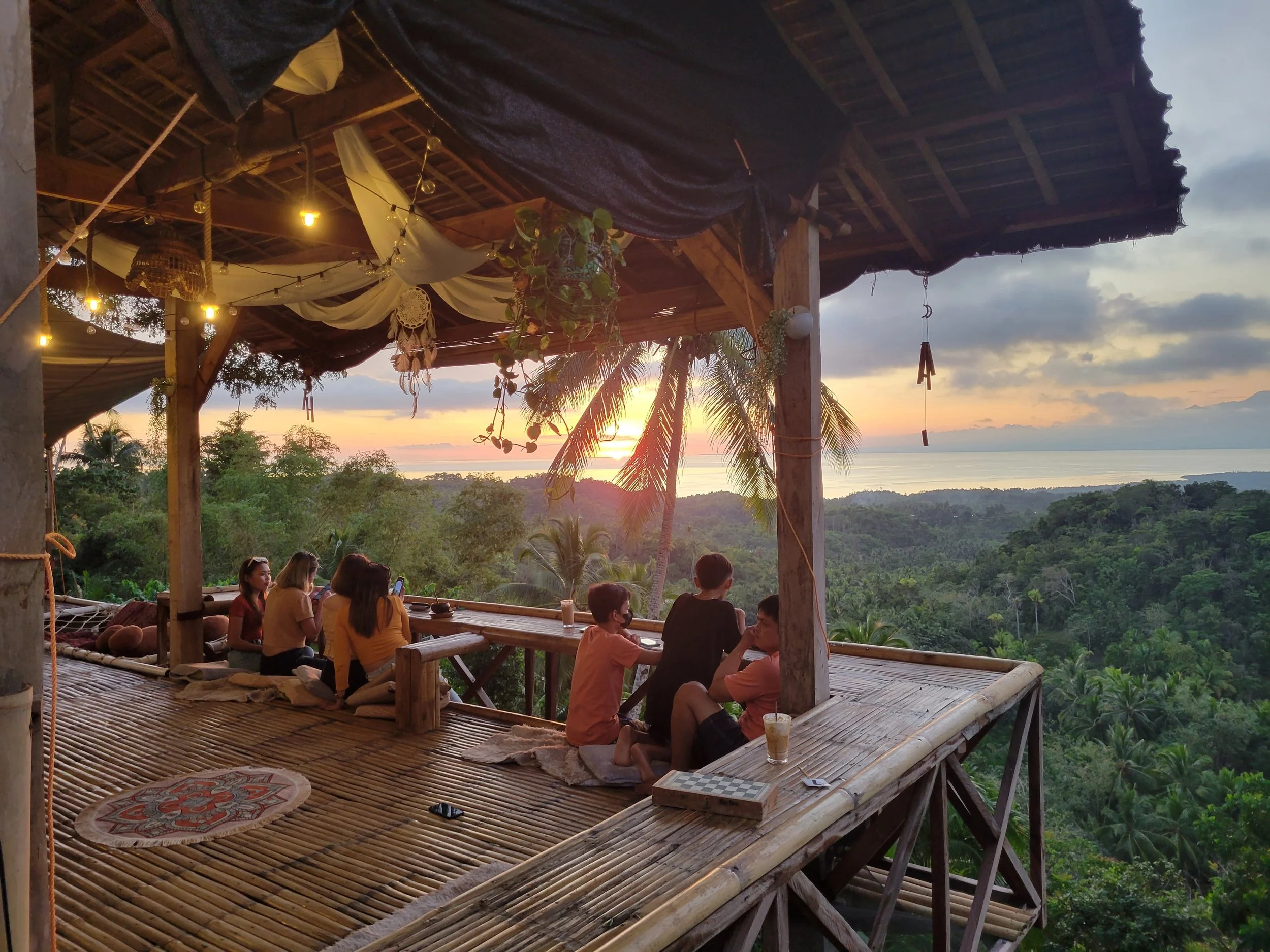
This western-coast beach is famous for its leaning coconut trees and sunset views. While it has become a popular gathering spot for sunset drinks, the far end of the beach still offers a peaceful escape during the morning hours.
Salagdoong Beach
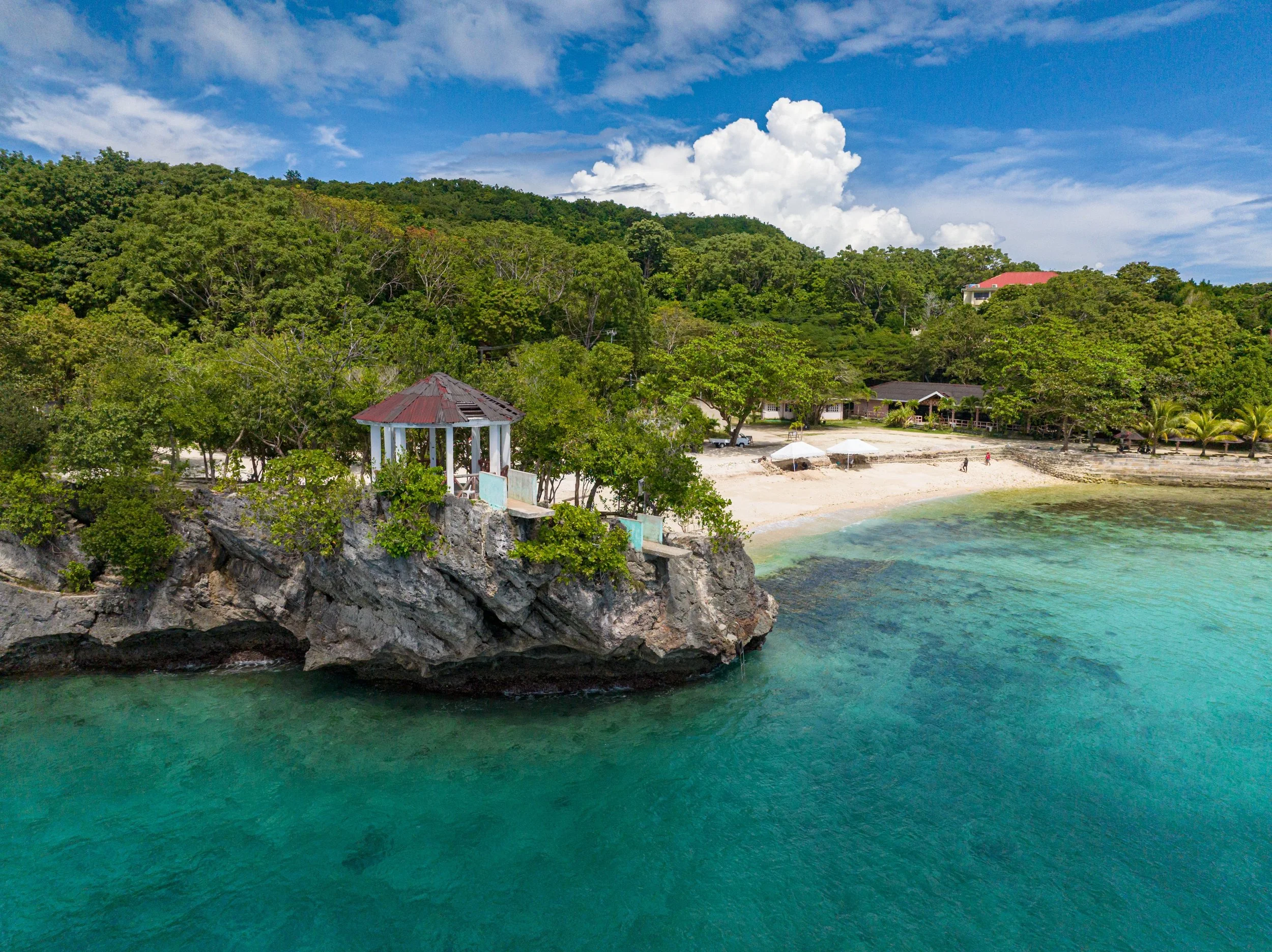
The island’s most developed beach park in Maria — the go-to spot for cliff jumping, with platforms at varying heights. Deep, crystal-clear water below.
Marine Sanctuaries & Snorkeling
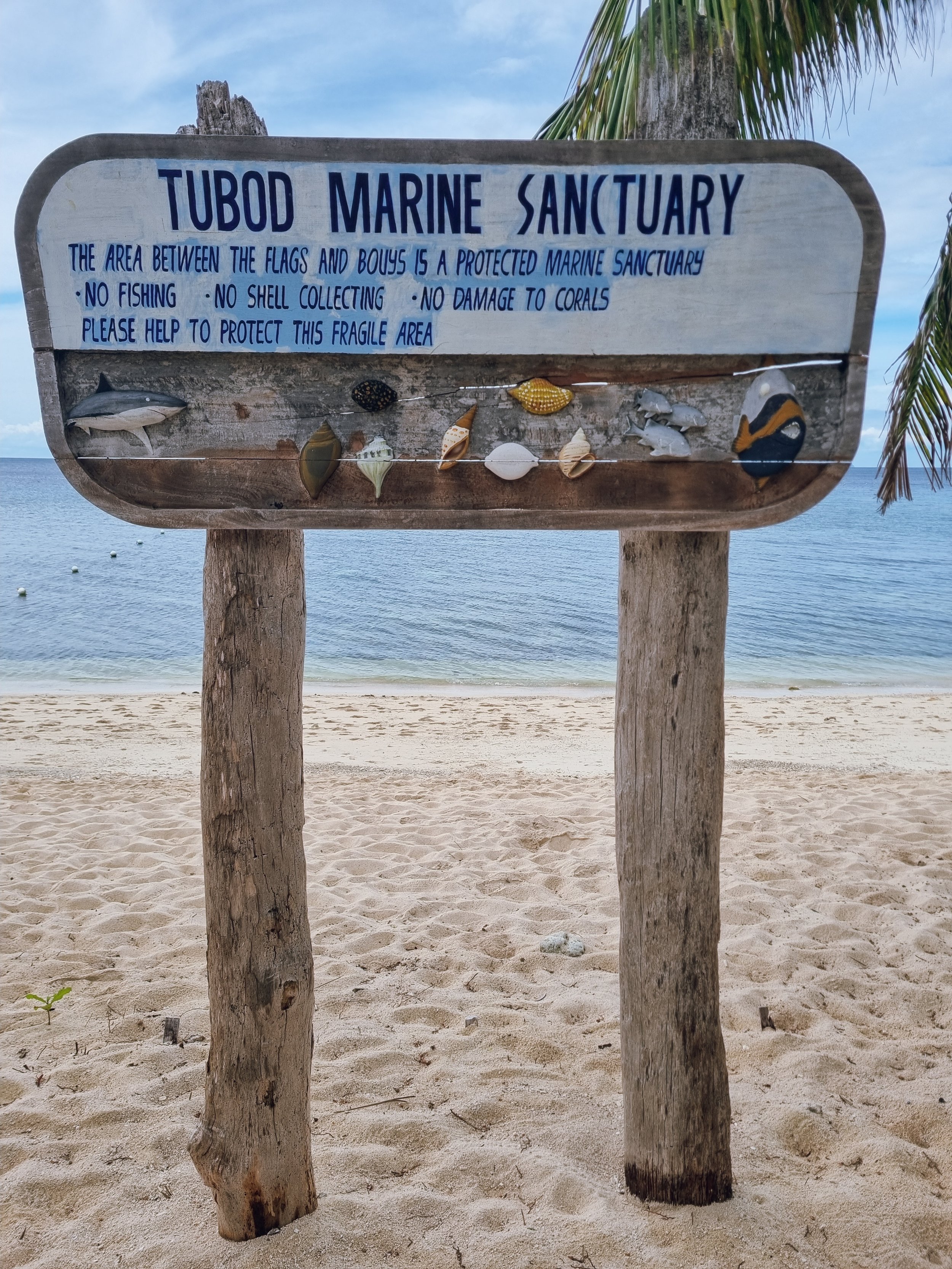
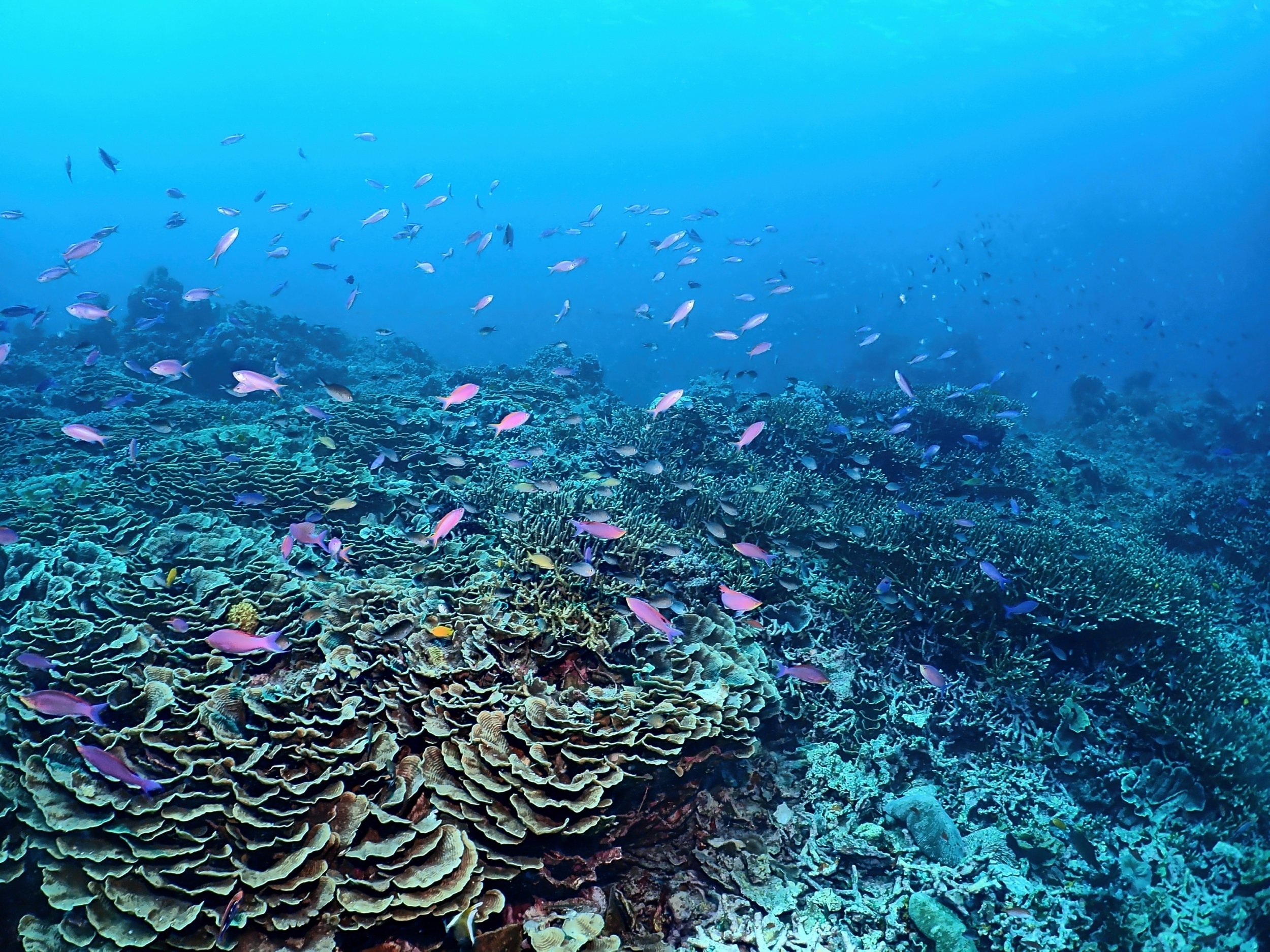
Siquijor sits within the Coral Triangle. Tubod Marine Sanctuary in San Juan offers shallow, colorful reefs right from the shore. Tulapos Marine Sanctuary is the island’s oldest protected area, home to barracuda, sea turtles, and vibrant coral gardens.
The Circumferential Road Trip
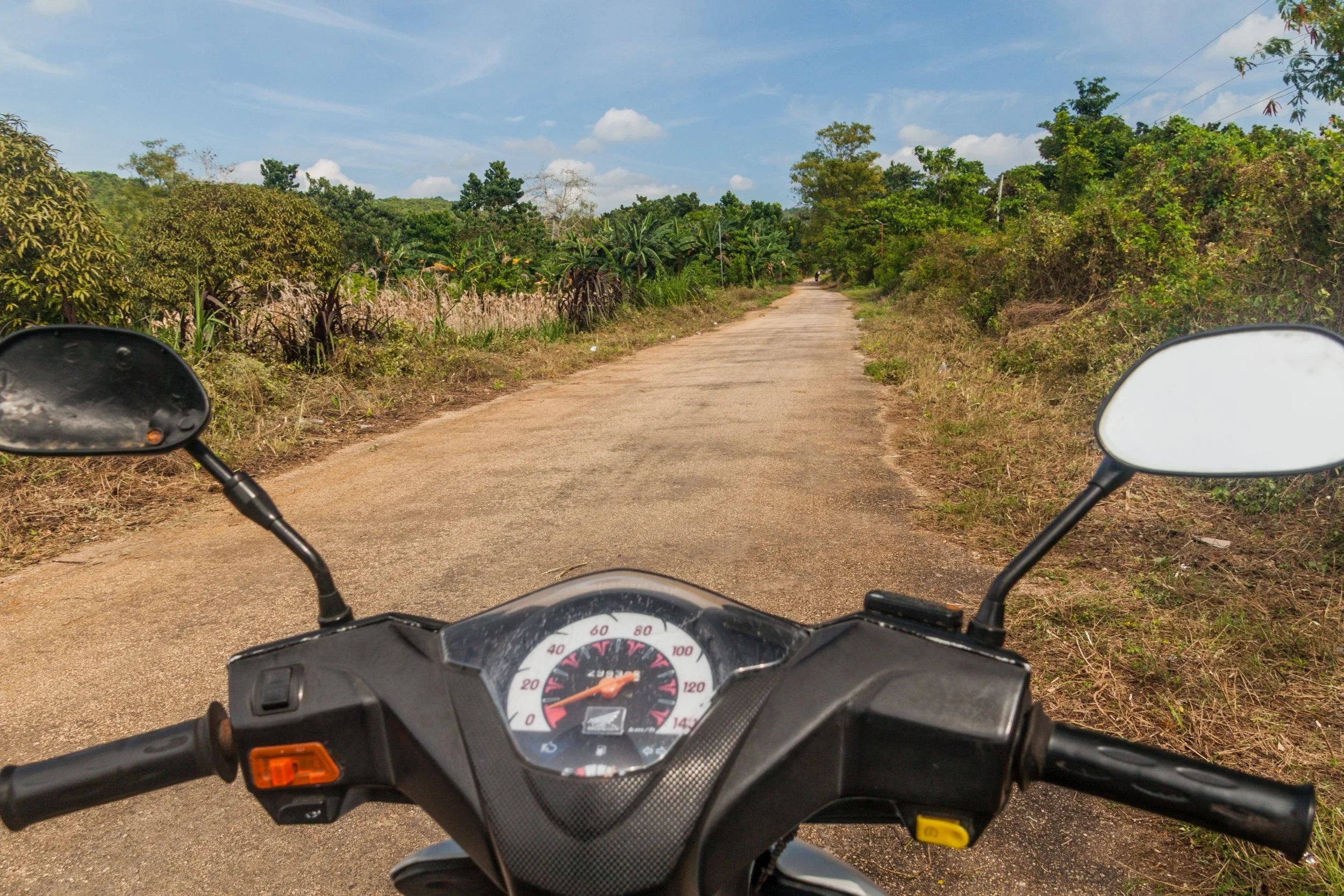
At just over 70 km, the road circling the island can be done in a single day by motorbike (₱300–500/day rental). You’ll pass through all six municipalities and an ever-changing landscape of coastal cliffs, rice paddies, and jungle-covered hills.
How to Get There from Cebu
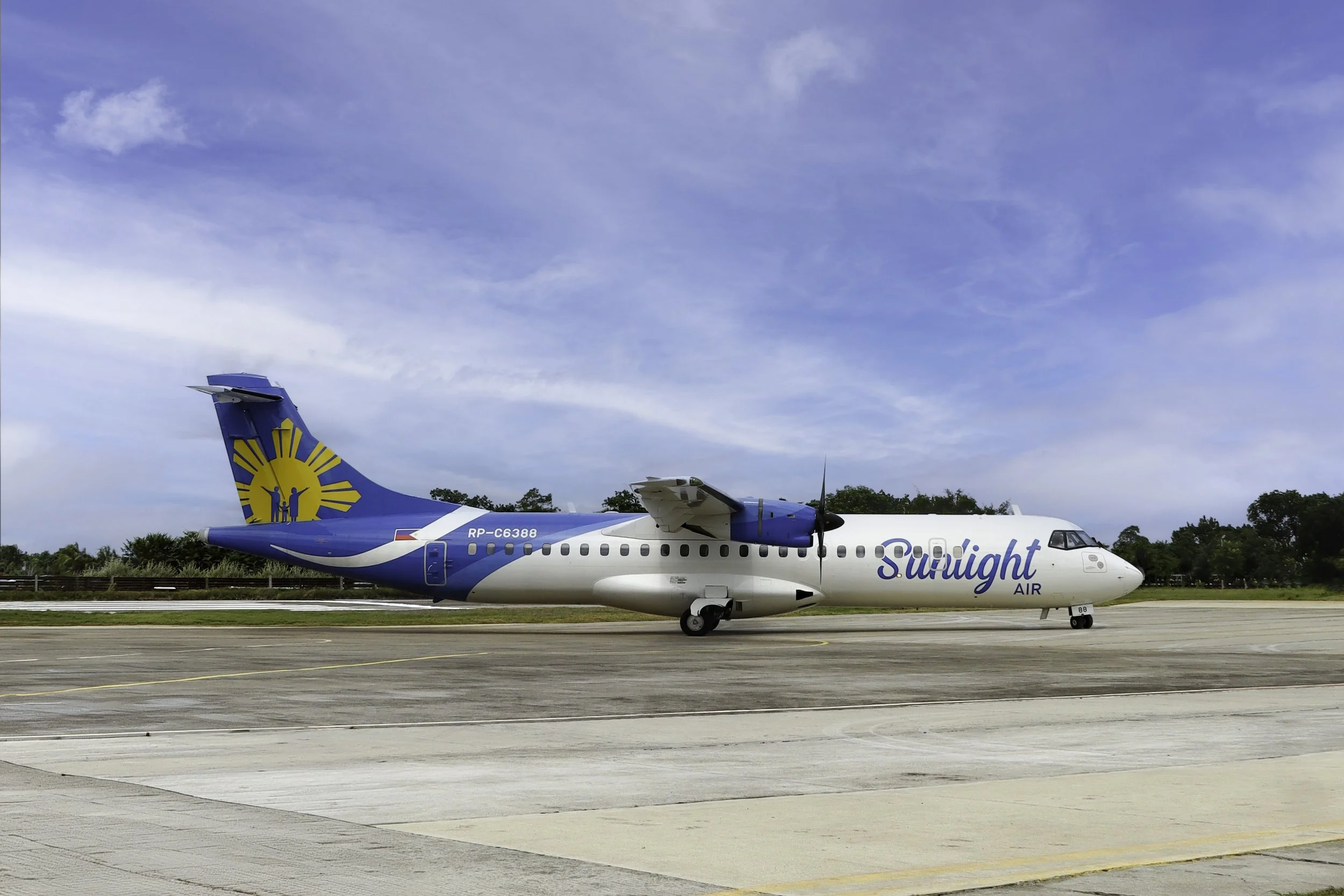
Getting to Siquijor now has more options available. You can travel by land and boat or by air. Siquijor’s airport was officially opened last December, alongside the launch of its first flights to Siquijor from Cebu via Sunlight Air.
Here are all the ways to get to Siquijor so you can see which option best fits your preference:
OceanJet via Bohol
The OceanJet fast craft from Cebu Pier 1 departs twice daily (typically 5:10 AM and 1:00 PM), stopping briefly in Tagbilaran, Bohol. Total travel time is 4–5 hours. Always check the latest schedule on their website, as departure times change seasonally. Tickets sell out fast during peak season, so book several days ahead.
Slow Ferry
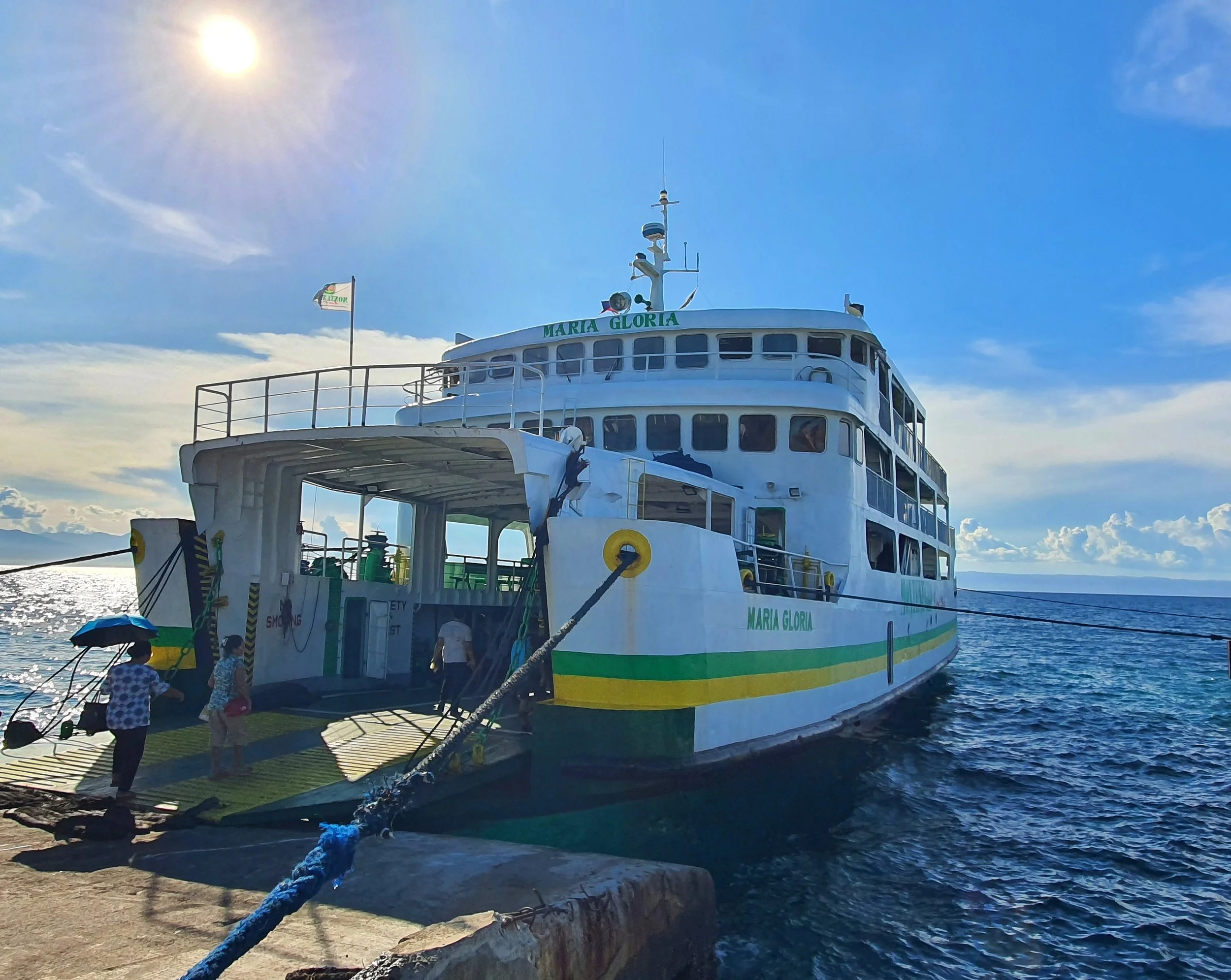
Lite Ferries and Starlite offer fares starting around ₱605, but take 9–10 hours. These RoRo vessels typically depart in the evening, arriving early the next morning. You can bring a vehicle, and the overnight crossing saves a night’s accommodation.
Fly from Cebu to Siquijor
Reaching Siquijor has never been more straightforward. What once required coordinating ferry schedules and longer travel hours can now be done in a single, seamless journey, making it easier to turn a quick getaway into a well spent island escape.
With Siquijor’s airport now operational, Sunlight Air launched direct Cebu to Siquijor flights in 2025, offering a faster and more efficient alternative to the traditional sea route. In just 55 minutes, travelers can arrive on the island, saving valuable time and making the journey significantly more convenient. Flights currently operate three times a week, giving travelers flexible options to plan their trip.
Convenience goes beyond speed. Cebu serves as a major hub in the Visayas, allowing for easier connections from key cities across the Philippines. Whether coming from other destinations, travelers can reach Siquijor with fewer transfers and less waiting time.
The experience is designed to be smooth from start to finish. From streamlined airport processes to a relaxed boarding experience, flying with Sunlight Air complements the laid back atmosphere that Siquijor is known for.
Improved accessibility also opens up more travel opportunities. Weekend trips become more feasible, spontaneous plans are easier to make, and returning to the island becomes more convenient.
As Siquijor continues to draw interest, getting there is no longer a challenge. It becomes part of the ease of the journey.
Best Time to Visit Siquijor
The dry season from November to May is ideal. January to April is peak season with the best weather but higher prices. The shoulder months (November, February, May) offer the best balance of good weather and fewer crowds.
June through October brings more frequent rain and occasionally rough seas. For the cultural dimension, plan around Holy Week (March or April) when the Healing Festival takes place.
Where to Stay
San Juan is the most popular base. Best accommodation, restaurants, and beach access, including Tubod Marine Sanctuary offshore. Siquijor town is convenient for the OceanJet port. Lazi and Maria are quieter and closer to Cambugahay Falls and Salagdoong Beach.
Budget hostels run ₱600-900/night. Mid-range guesthouses with AC and pools are ₱1,500-2,500. Beachfront resorts like Coco Grove Beach Dive and Spa Resort in San Juan are the top-tier option. No international five-star chains exist on Siquijor, which is part of its charm.
Practical Tips for First Timers
Bring Cash
ATMs are limited and can run out, especially on weekends. Bring enough pesos for your stay. Credit card acceptance is limited to larger resorts.
Rent a Motorbike
The best way to explore. Rentals cost ₱300–500/day. Roads are generally good, but take care on steep interior mountain roads.
Respect the Culture
Healing traditions are deeply personal to locals. Ask permission before photographing people or rituals. Approach with genuine curiosity, not sensationalism.
Go Zero-Waste
Siquijor is a zero-waste province. Single-use plastics are strictly prohibited. Bring a reusable water bottle and bag.
Power & Connectivity
Wi-Fi is available at most accommodations. Mobile data (Globe and Smart) works across the island. Occasional power outages still occur; larger resorts have generators.
Safety note: Siquijor is widely considered one of the safest islands in the Philippines. The “mystical” reputation is cultural folklore — the island is peaceful, low-crime, and welcoming. The biggest practical concern is not withdrawing enough cash before the weekend.
Why Siquijor Deserves a Spot on Your Itinerary
Siquijor is not the Philippines’ biggest island, its most famous, or its most developed. And that’s exactly the point. In an era where many destinations struggle under overtourism, Siquijor offers something increasingly rare: an authentic, affordable, and genuinely beautiful island experience that still feels like a discovery.
Whether you come for the turquoise waterfalls, the world-class snorkeling, the centuries-old healing traditions, or simply the chance to ride a motorbike around an entire island in a single afternoon — Siquijor has a way of exceeding expectations.
The window to experience Siquijor in its current state — raw, uncrowded, and refreshingly uncommercialized — won’t stay open forever. If it’s been sitting on your list, now is the time
With Sunlight Air’s direct flights from Cebu, travelers can reach Siquijor in just 55 minutes, with services available three times a week, making now the perfect time to start planning your trip. Book ahead and make the most of a destination that is only beginning to unfold!